
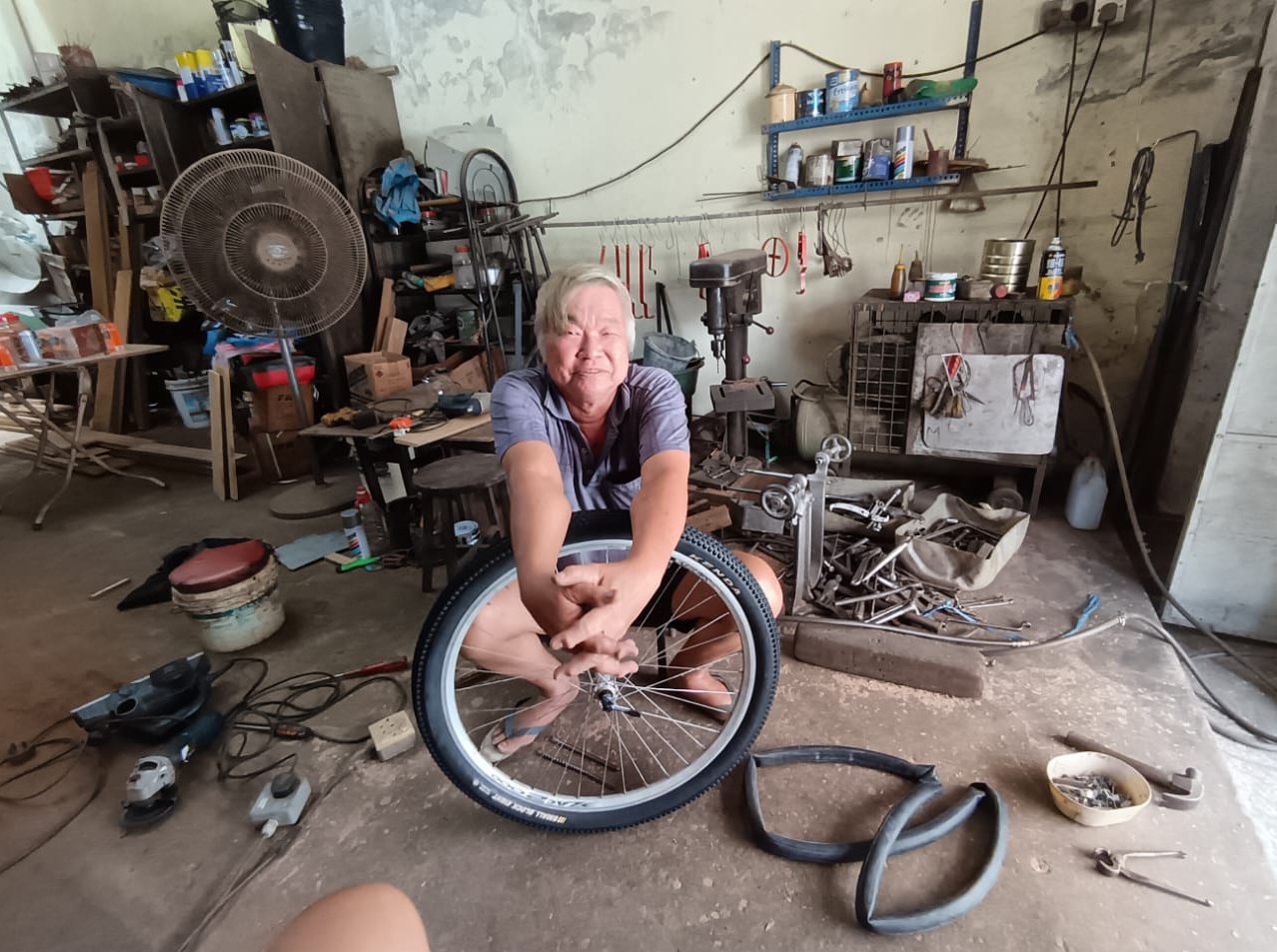
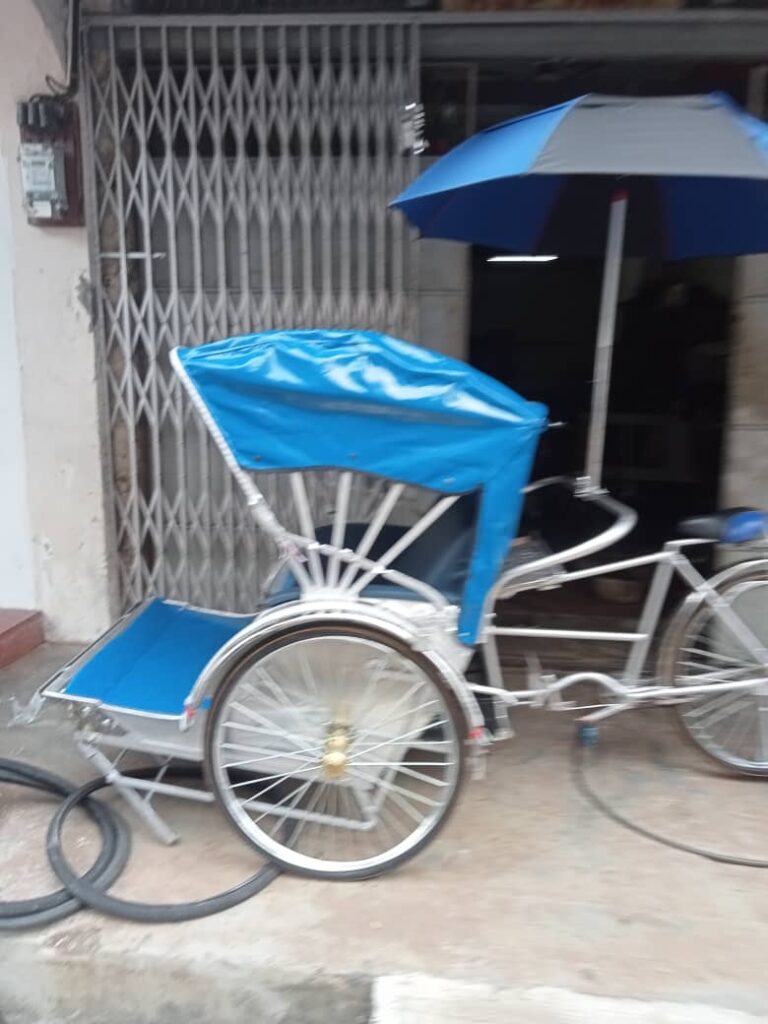
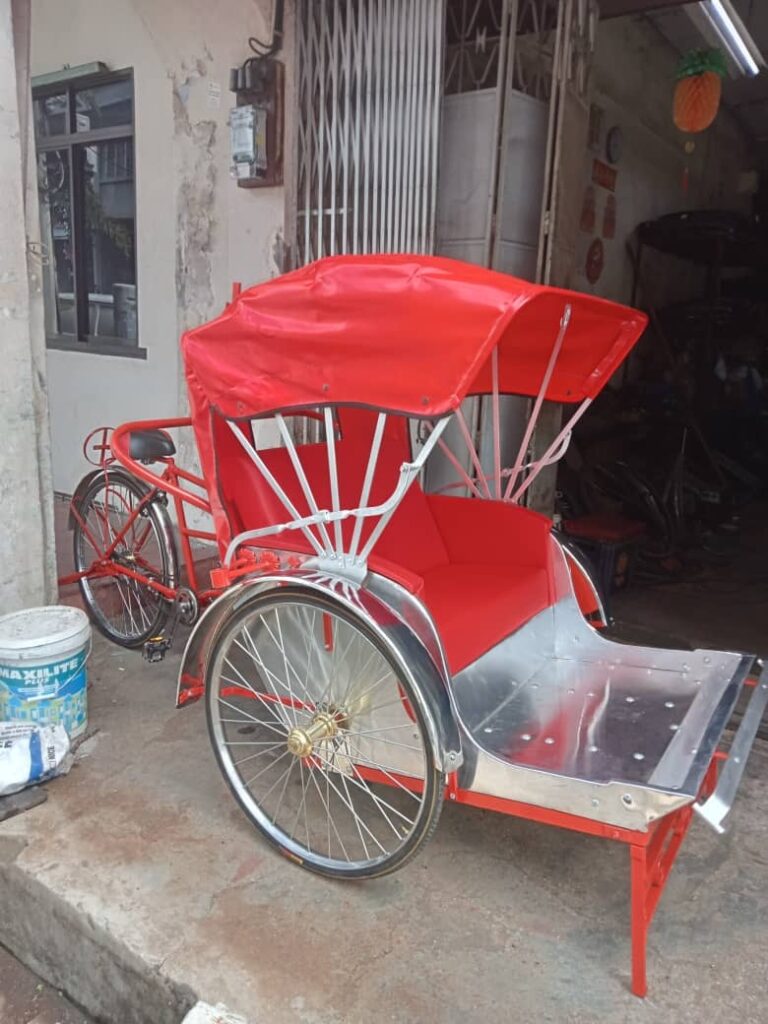
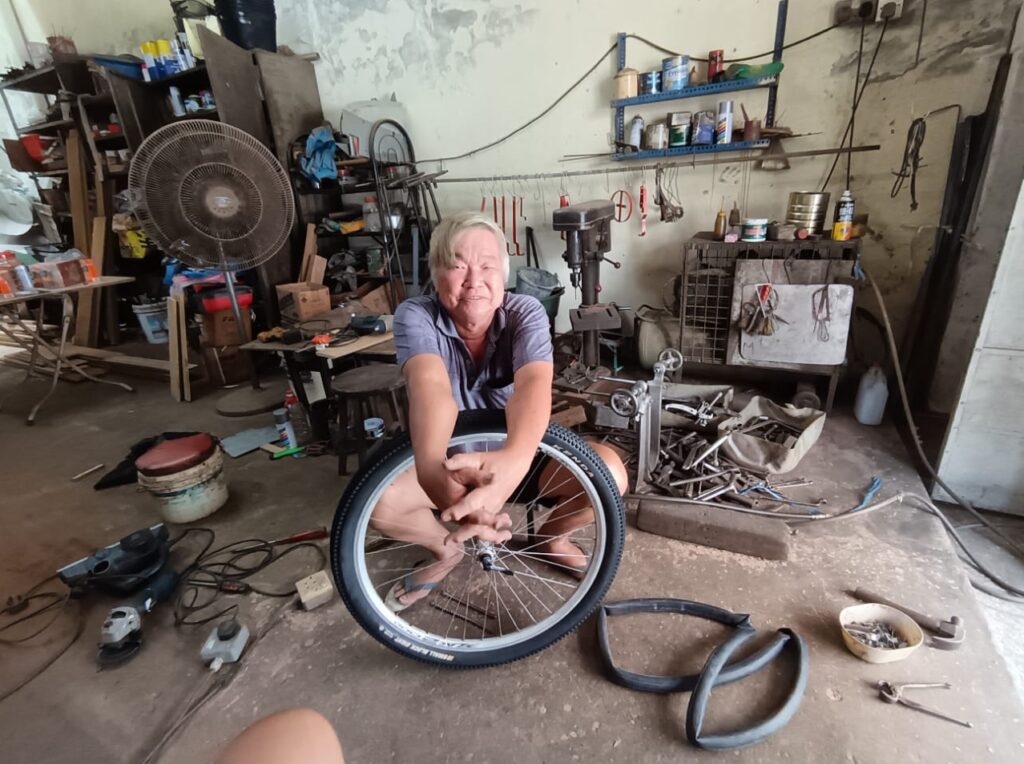
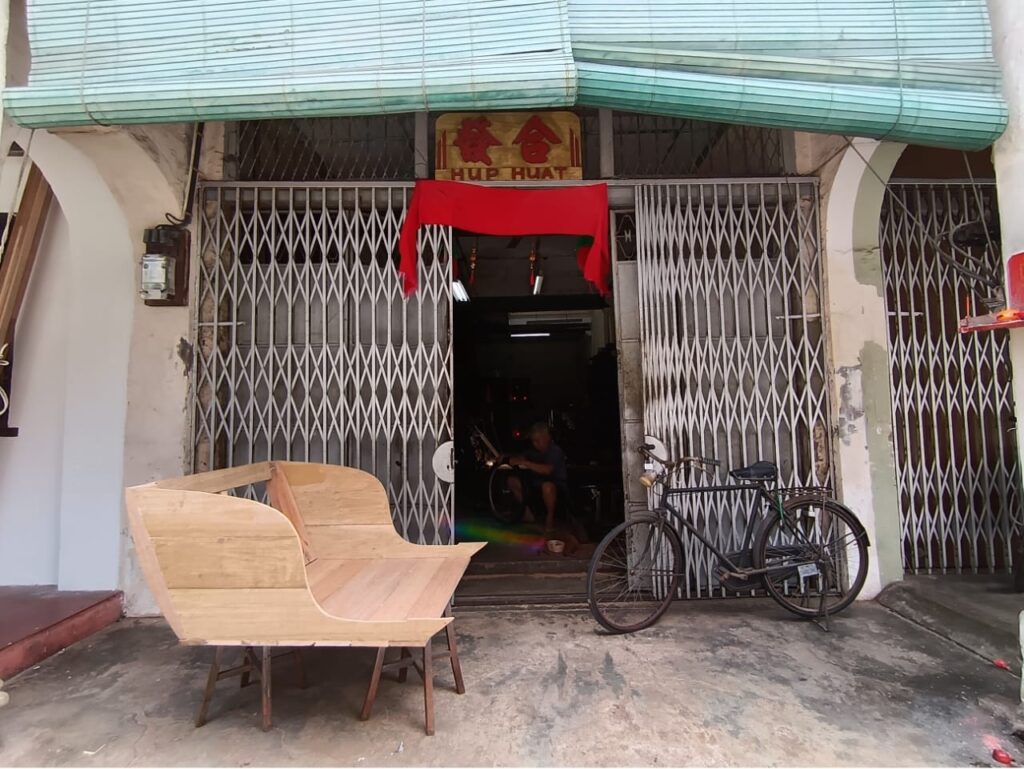
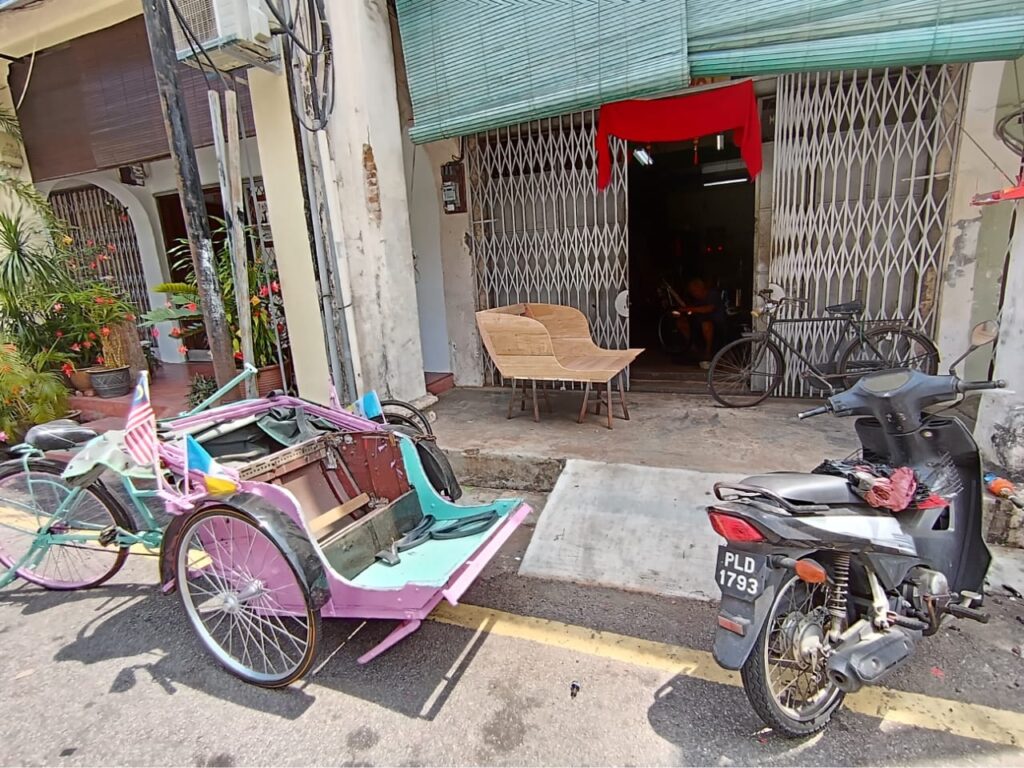
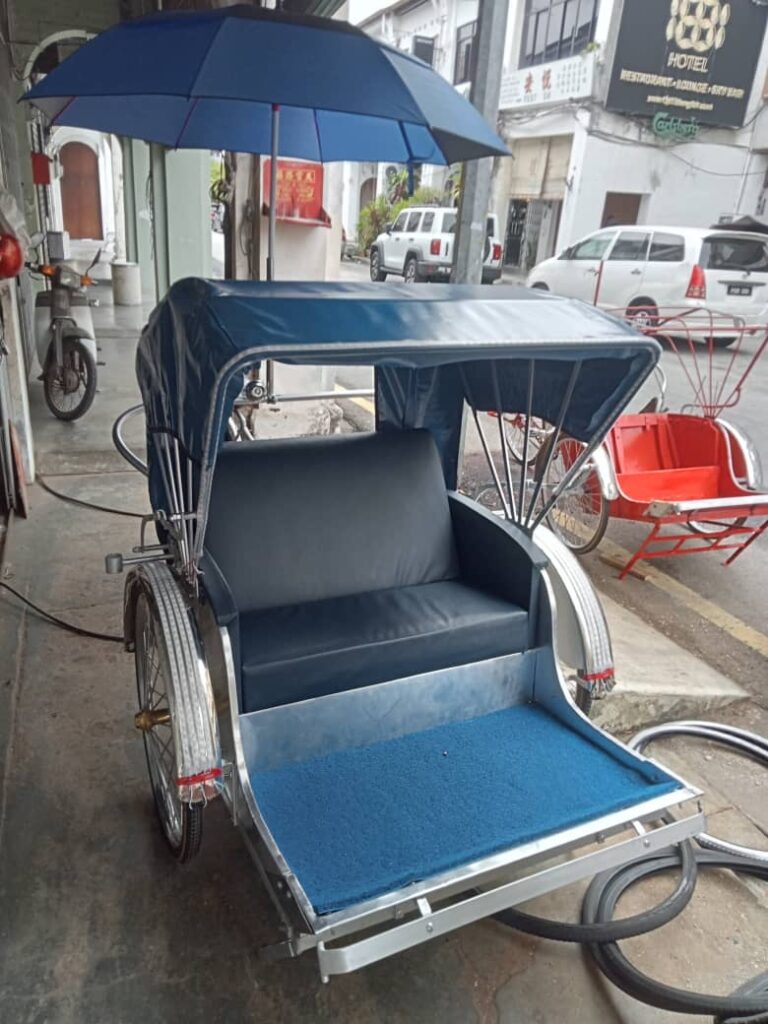
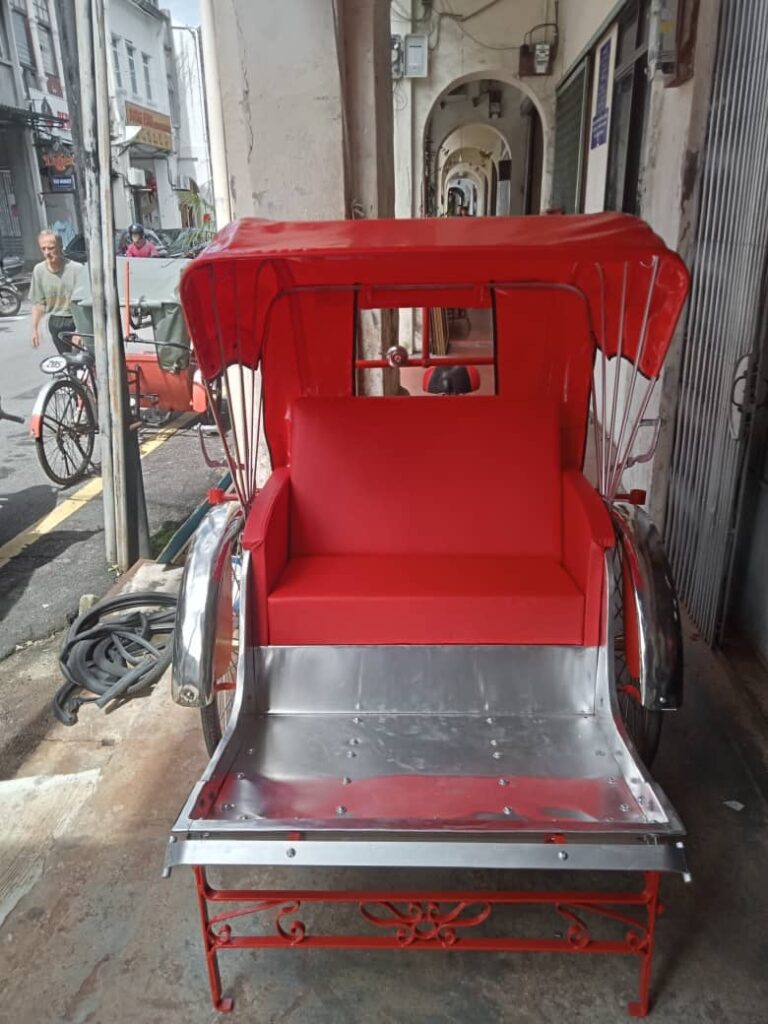
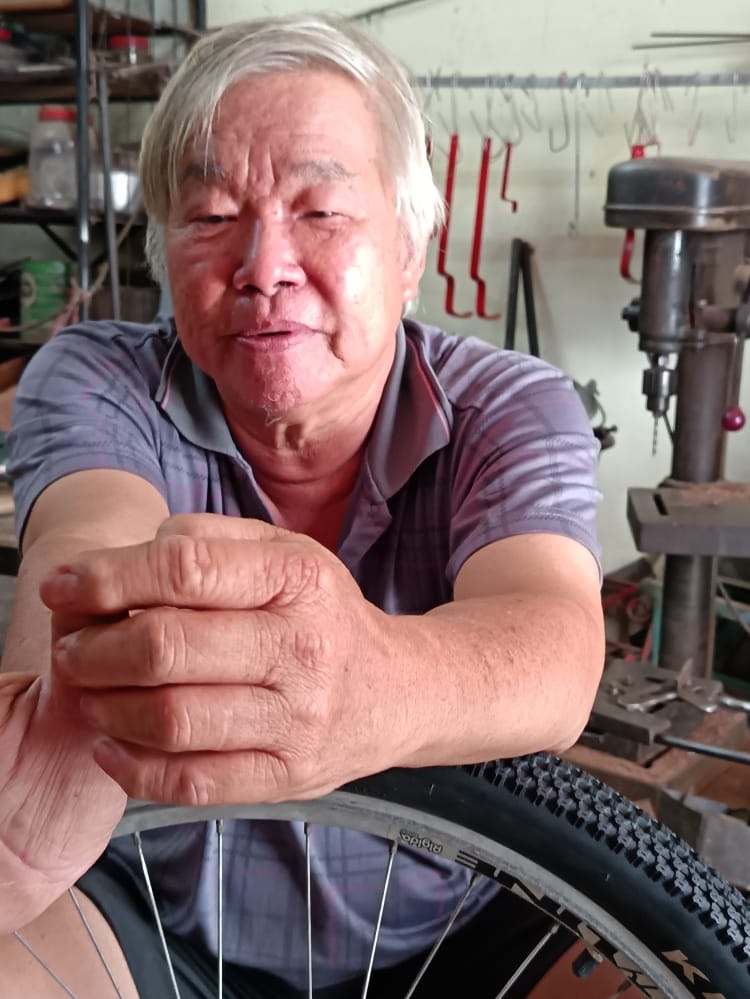
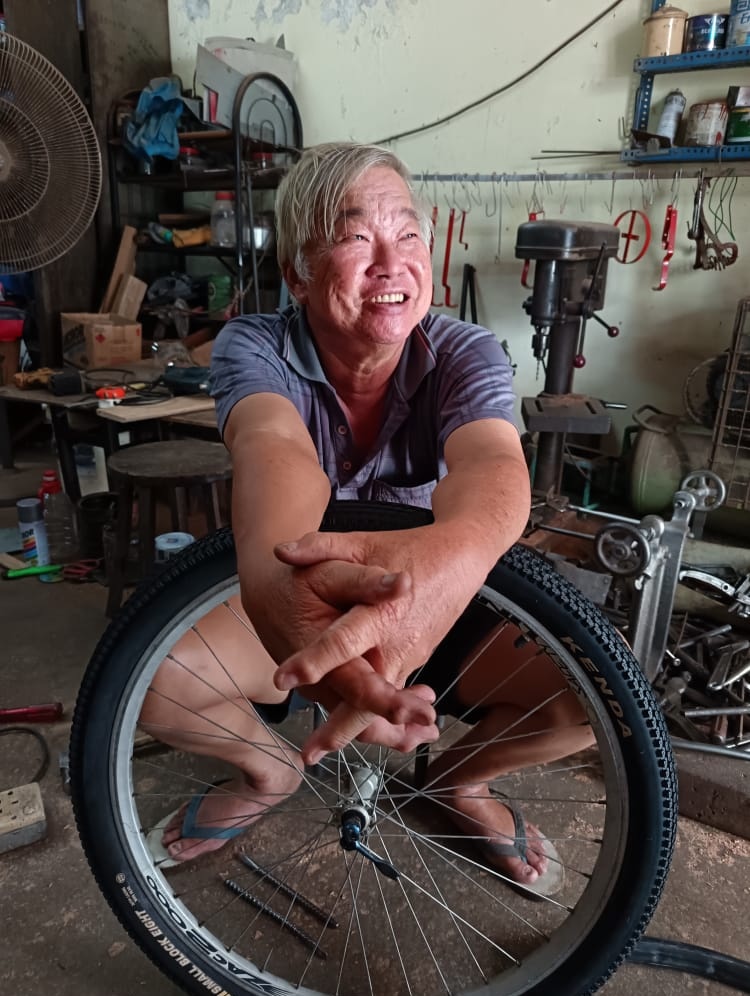
Walking down Rope Walk in George Town today feels like stepping between two different centuries. On one side, you have the modern face of Penang with its boutique hotels and popular bistros tucked into restored heritage shophouses. But if you follow the faint scent of sawdust and the rhythmic sound of a soldering iron, you will find Hup Huat. This is the workshop of Ah Choon, a seventy-year-old man who holds the title of the very last trishaw builder in a trade that is slowly fading into history.
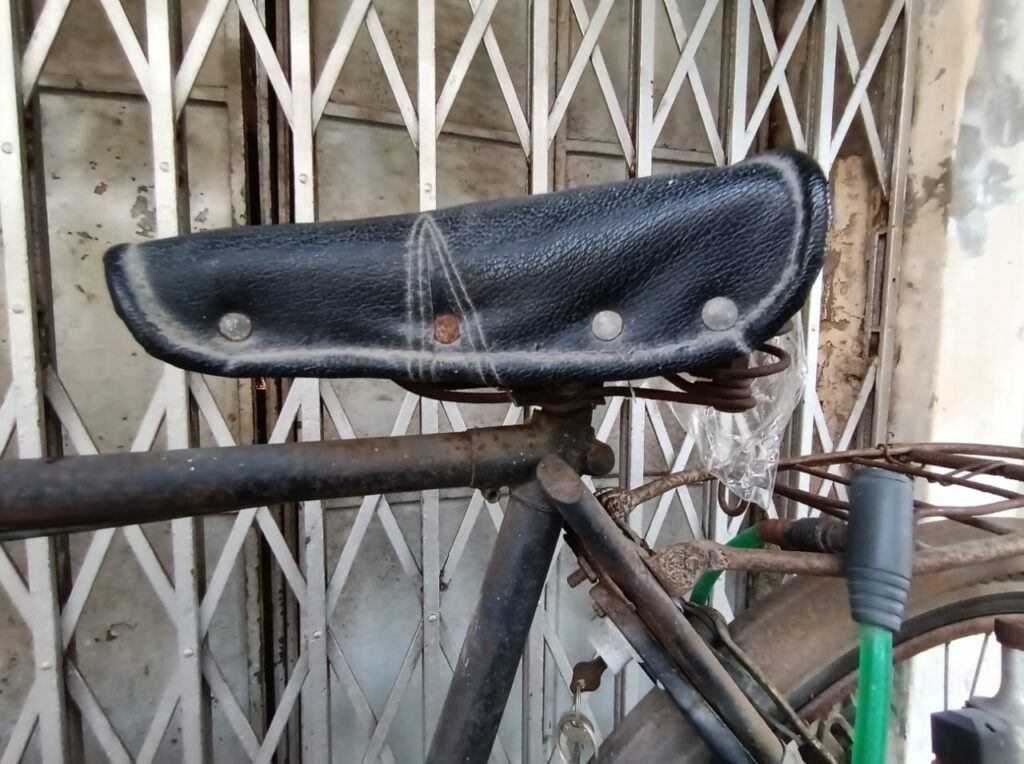
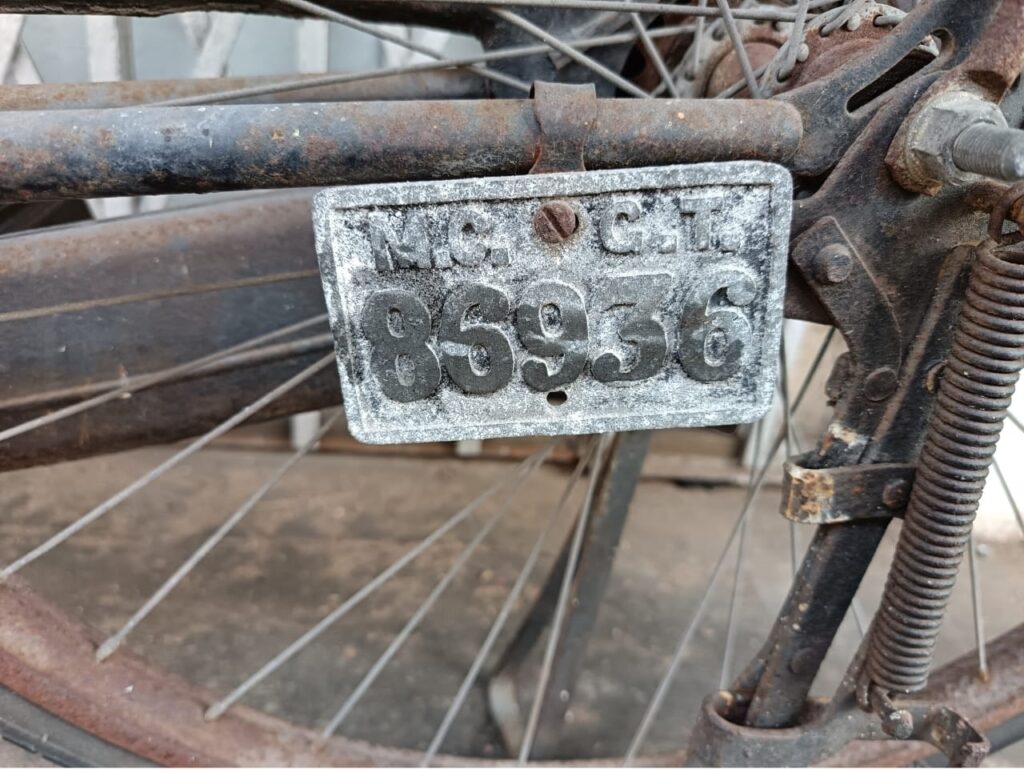
I did not originally visit Ah Choon to talk about trishaws. I went there to breathe new life into a piece of my own history: a sixty year old Raleigh bicycle that belonged to my late father. Seeing that old frame brought back vivid memories of riding piggyback on it as a child. It still has its original character, including a dynamo powered by pure leg muscle, a vintage spring seat to cushion those uneven city streets, and a license plate numbered 86936 issued by the old Georgetown Municipal Council.
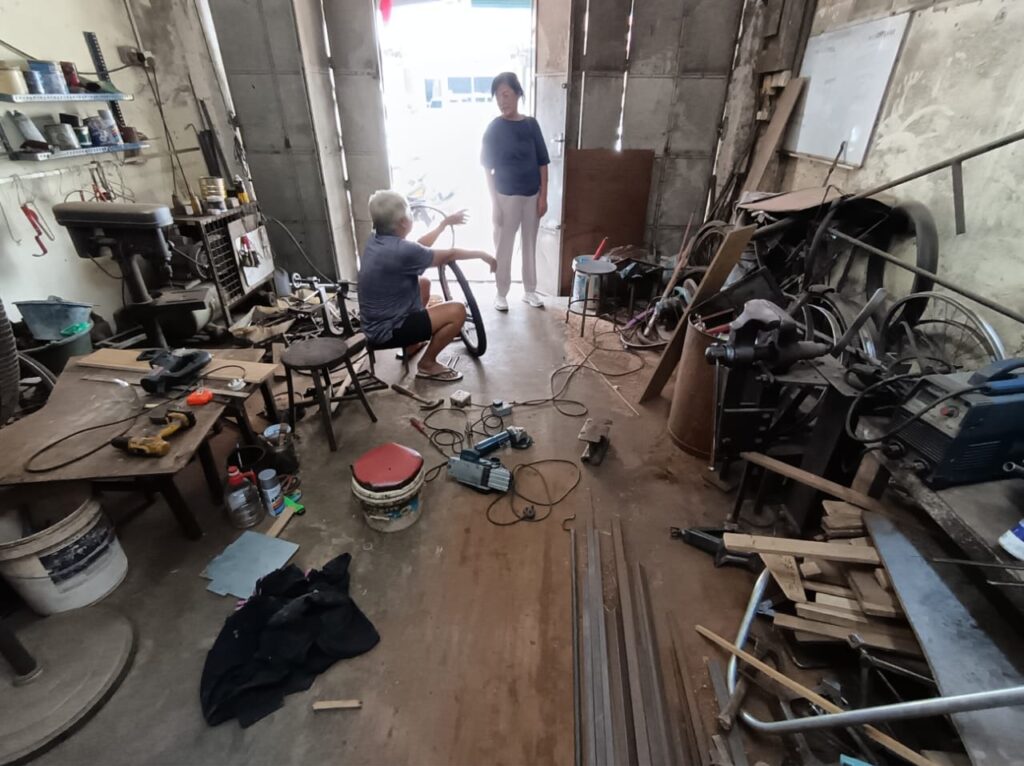
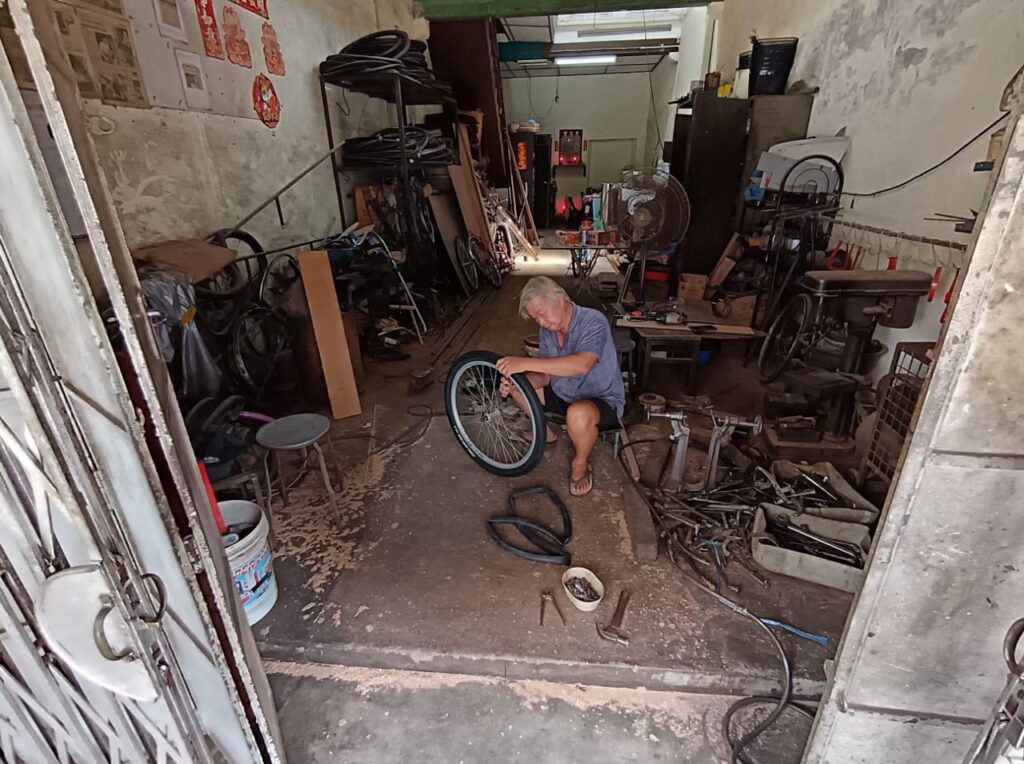
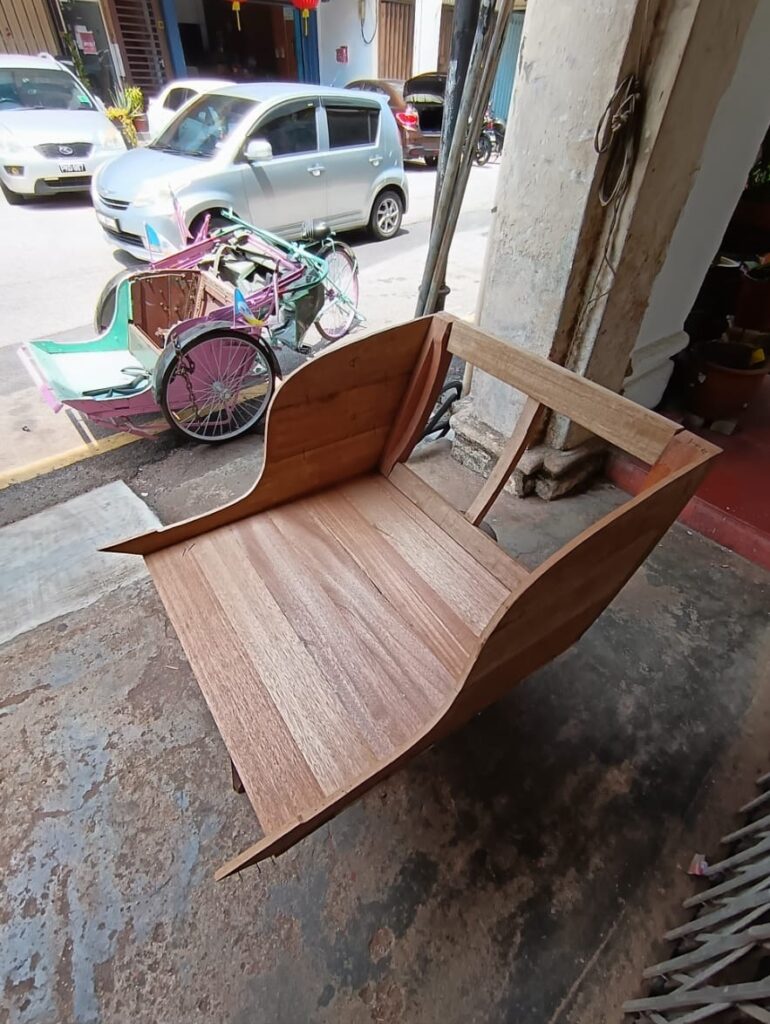
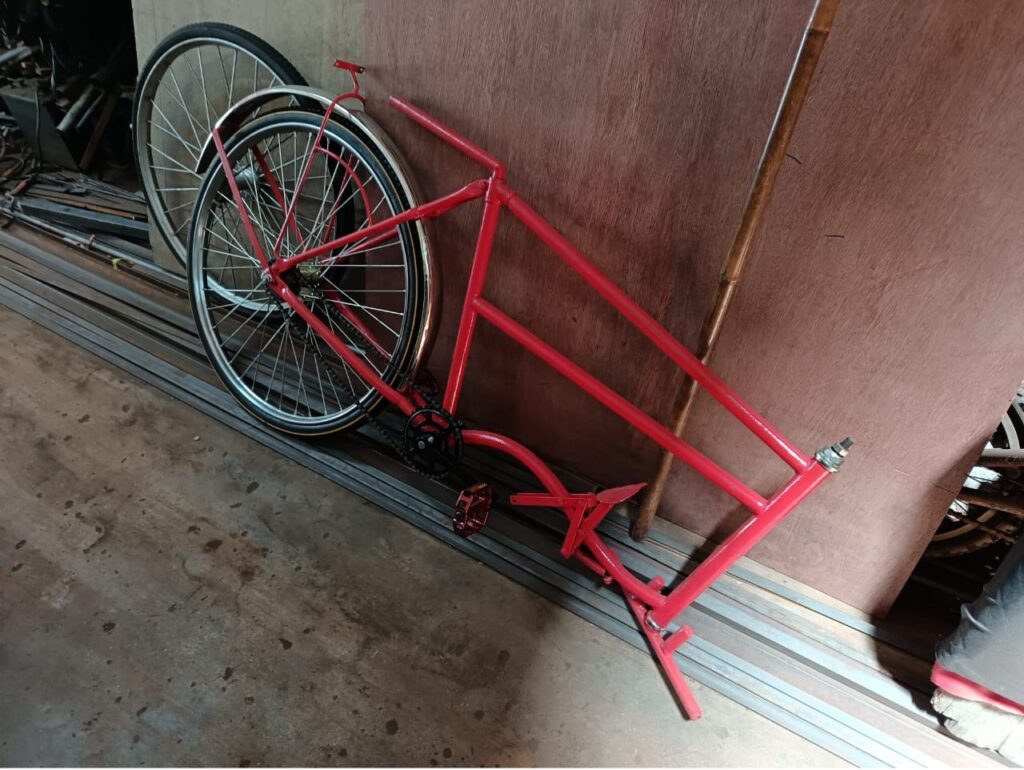
While he worked on my father’s bike, I watched Ah Choon navigate his workshop with the quiet confidence of a master. At seventy, he is still incredibly productive, completing about one trishaw every month. It is a labor intensive process that starts with soldering heavy iron pipes and ends with crafting a timber hull designed to carry two passengers in comfort.

What struck me most was how this traditional craftsman has adapted to the digital age. He told me about his current rush to finish two trishaws for a customer in Semporna, Sabah. Interestingly, he has never actually met the buyer. Everything was handled online, from the initial order to the digital payment. Once the trishaws are ready, a freight company simply arrives for the pickup.
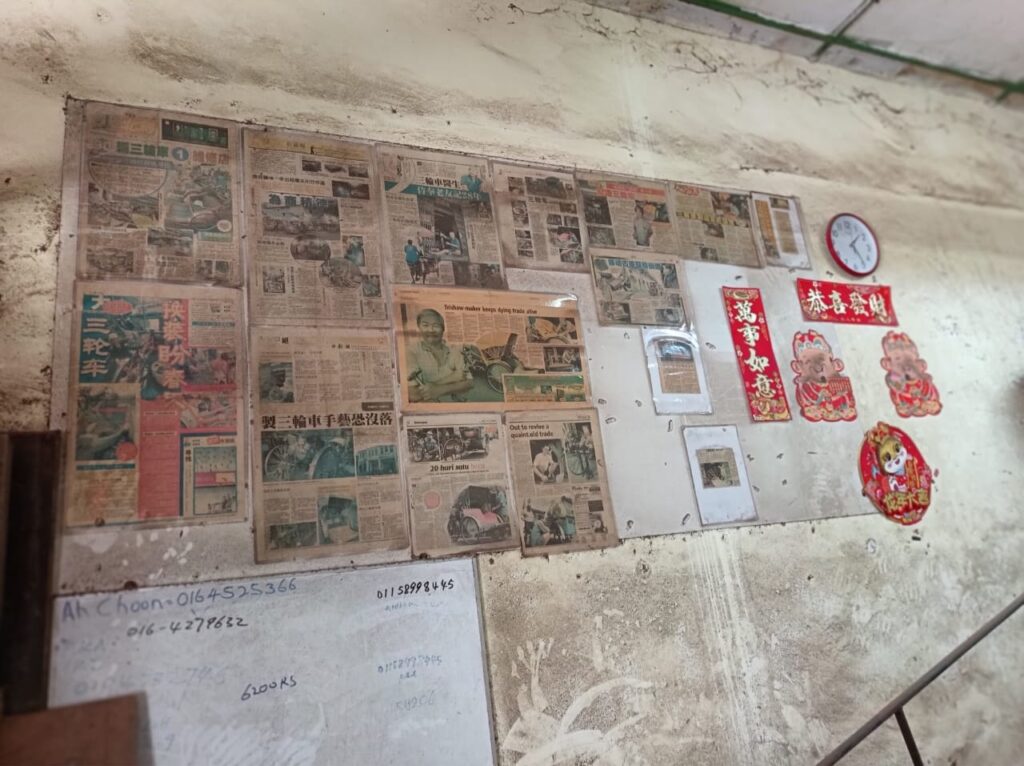
His workshop walls are a living museum, covered in old news cuttings that tell the story of his life’s work. Next to those clippings hangs a simple placard with his mobile number for anyone brave enough to place an order for a dying craft.
However, Ah Choon is realistic about the future. He is limiting the number of orders he takes these days because age is finally catching up with him. He works at a slower pace now, and he has chosen not to take on any apprentices. His two children have built their own successful lives out of town, and he seems at peace with the fact that the trade might end with him.
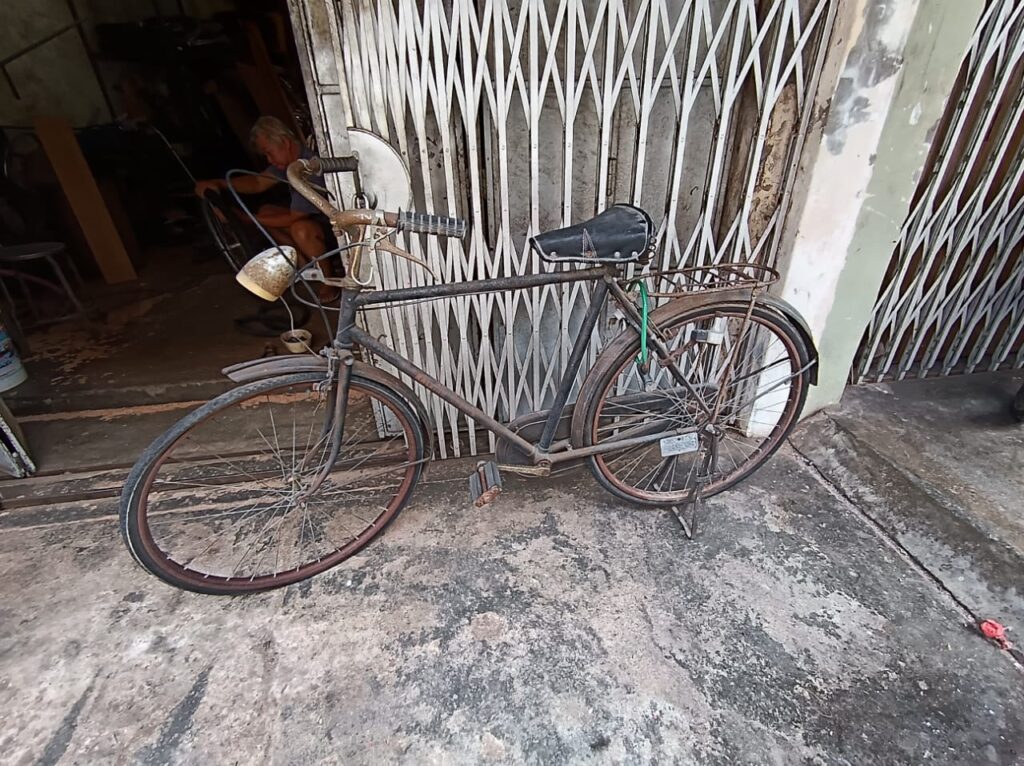
Leaving my father’s Raleigh at Hup Huat for restoration, I felt a deep sense of gratitude. In a world that moves faster every day, there is something profoundly beautiful about a man who still builds things by hand, one weld and one timber plank at a time. George Town is changing, but for now, the hammers are still ringing at Hup Huat.
Be sure to check back for the final reveal. I can’t wait to show you the new look once Ah Choon finishes restoring my dad’s vintage ride—complete with its original leg-powered dynamo, that classic Georgetown Municipal Council plate (No. 86936), and a spring seat designed for those bumpy heritage streets.