
On 23 April 2026, UNESCO announced the designation of 12 new UNESCO Global Geoparks, marking another step in the expansion of a network that now spans 241 geoparks across 51 countries.
These new additions reflect a growing global recognition of geological heritage as more than a scientific record of the Earth. They now serve as living landscapes that support education, sustainable development, community participation, and climate awareness. The latest designations reinforce how geoparks continue to connect local environments with global priorities.
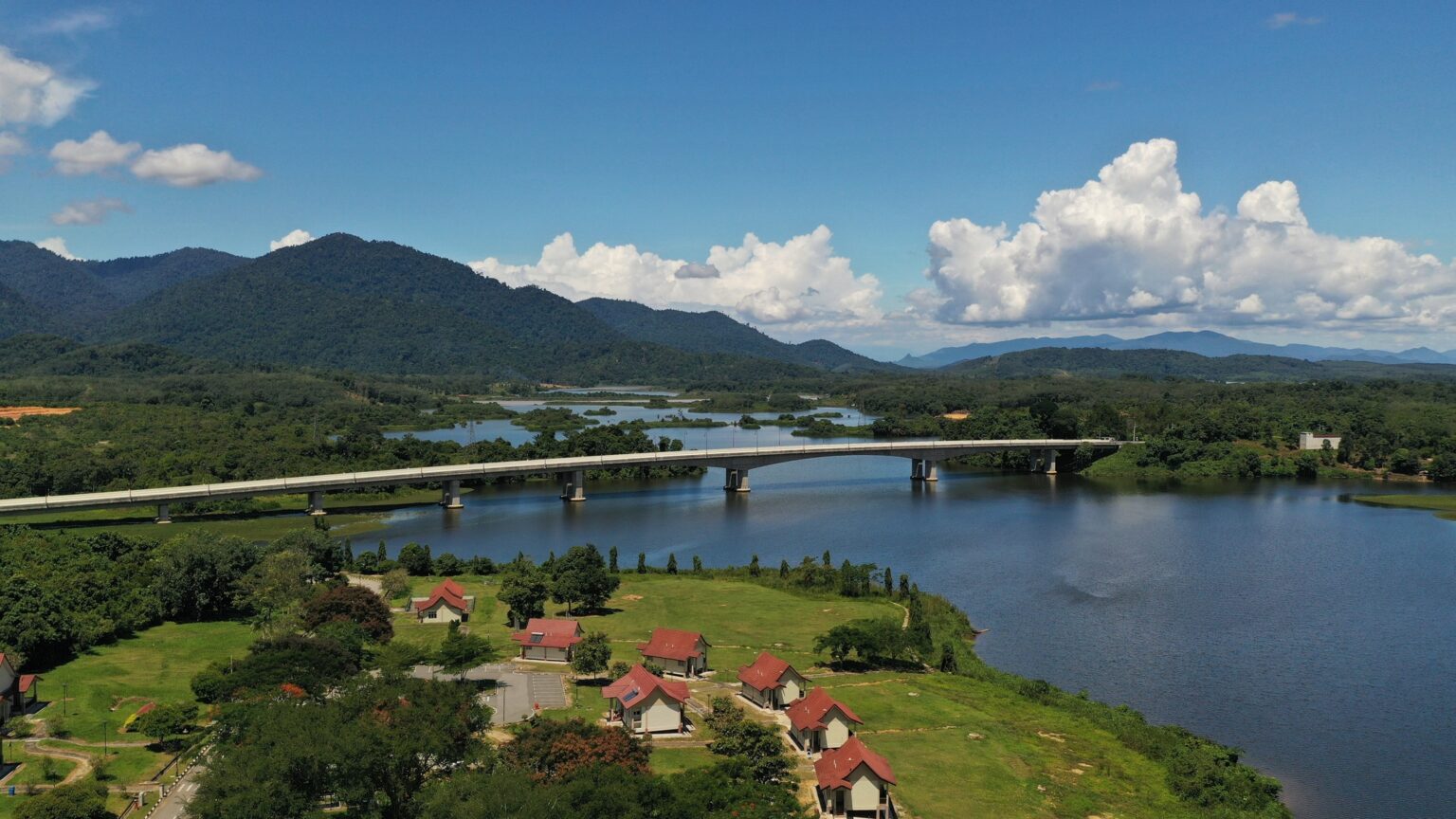
Among the newly recognised sites is Lenggong UNESCO Global Geopark in Malaysia.

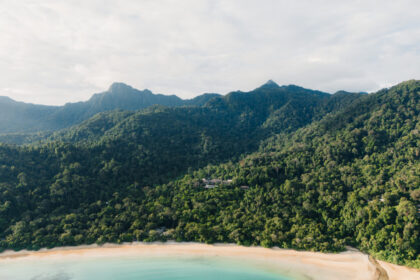
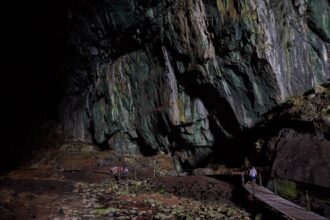
Located in Perak, Lenggong sits between the Titiwangsa and Bintang mountain ranges. The landscape is shaped by river terraces, limestone formations, and granite peaks, forming a varied terrain that reflects millions of years of geological change. Its tropical climate supports dense rainforest ecosystems, which are home to a wide range of biodiversity, including endangered and locally significant species such as the Malayan tiger and the Lenggong rock gecko. Limestone forest areas within the geopark also support rare and specialised plant life.
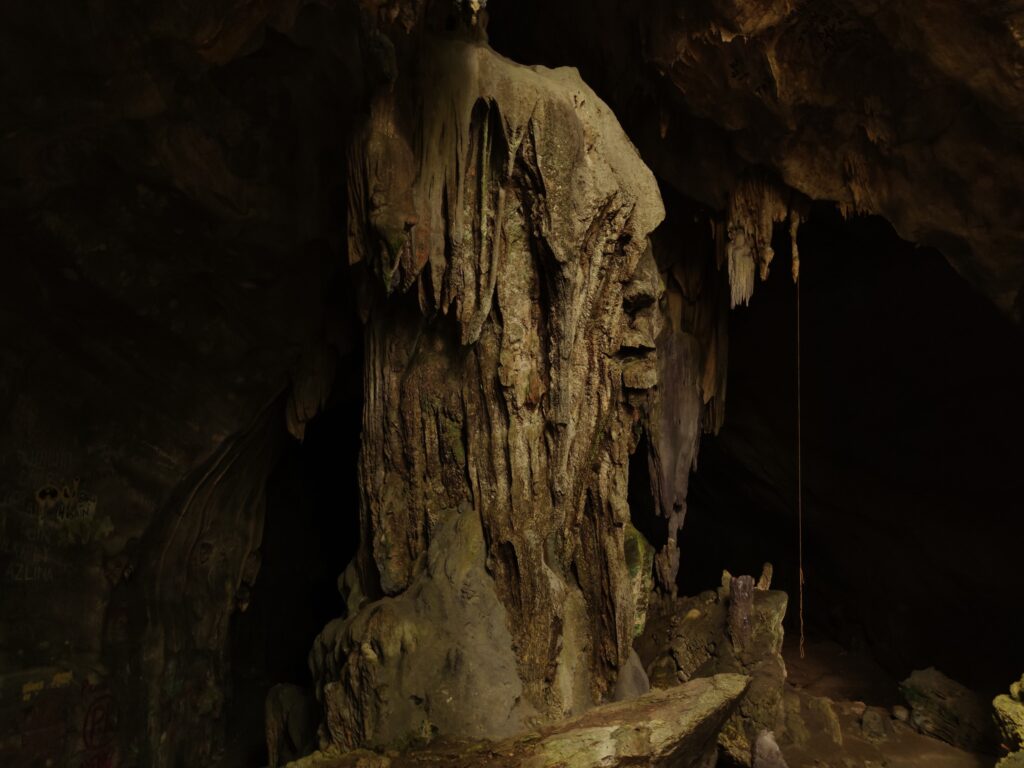
Beyond its ecological value, Lenggong carries significant geological importance. The Lawin Tuff provides evidence of ancient volcanic activity linked to the supercontinent Gondwana. The region also records granitic formations associated with large-scale tectonic collisions that shaped Southeast Asia. Major fault systems such as the Bok Bak Fault cut across the landscape, adding to its geological complexity.
One of the more distinctive features of the area is the presence of suevite, formed by a meteorite impact approximately 1.8 million years ago. The geopark also contains one of the thickest deposits of volcanic ash from the Toba super-eruption outside Sumatra, a geological marker of one of the most powerful volcanic events in Earth’s recent history around 74,000 years ago.
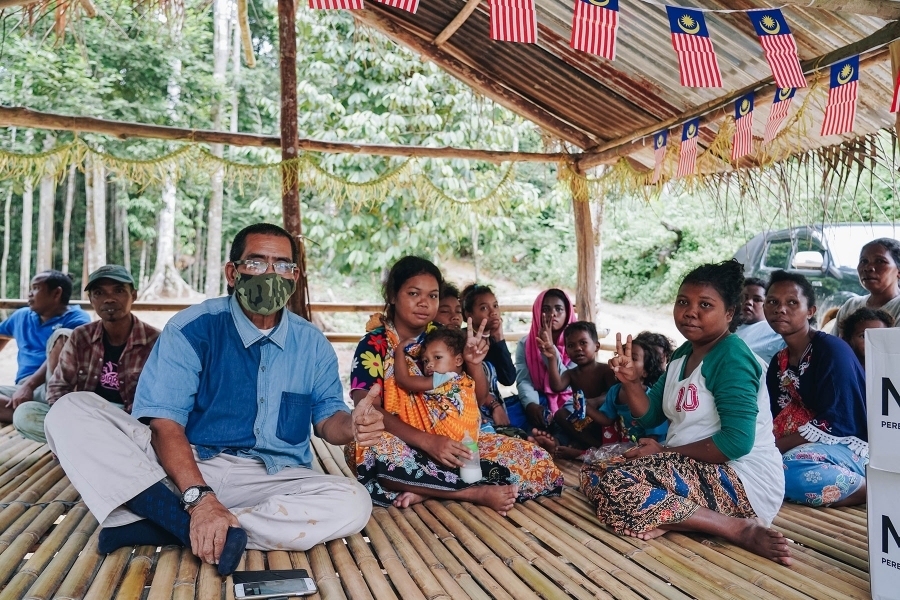
These layers of geological history sit alongside living communities who continue to engage with the landscape through education, tourism, and conservation initiatives. The geopark framework helps connect these elements, allowing scientific value, cultural identity, and environmental stewardship to exist within the same space.
With the inclusion of these 12 new sites, the UNESCO Global Geoparks Network continues to grow in both scale and diversity. The shared direction across the network remains focused on protecting geological heritage while supporting sustainable local development and encouraging stronger public awareness of Earth’s history.
More information on the global network can be found at https://www.unesco.org/en/iggp/geoparks.