
A decade of culture-led urban regeneration demonstrates how conservation can strengthen cities, communities and the economy
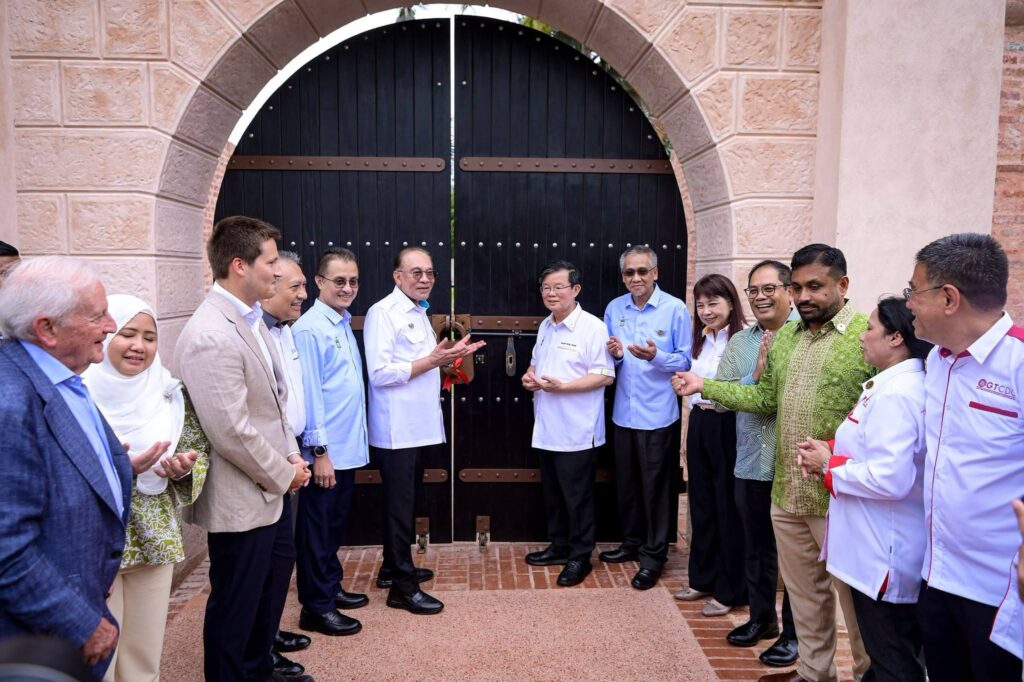
GEORGE TOWN, 25 July 2026 – Officiated by the Prime Minister of Malaysia, YAB Dato’ Seri
Anwar Ibrahim, the reopening of Fort Cornwallis today marks a defining milestone in the
renewal of George Town’s historic civic heart. Following a decade of conservation and
regeneration under the North Seafront Programme, it is more than the completion of a
conservation project and reflects a long-term commitment to strengthening the city’s
heritage, public spaces and future.
The programme is delivered by the George Town Conservation and Development Corporation
(GTCDC), a partnership between Penang State Government through Chief Minister
Incorporated and Think City, a subsidiary of Khazanah Nasional Berhad, in collaboration with
the City Council of Penang Island (MBPP), with the Aga Khan Trust for Culture serving as
Technical Advisor and Yayasan Hasanah as a strategic partner.

Standing on the site where George Town was founded in 1786, Fort Cornwallis has witnessed
nearly 240 years of change. Recognised by UNESCO in 2008 for its exceptional multicultural
trading heritage, George Town remains one of Southeast Asia’s most significant historic
cities. Today, within the George Town UNESCO World Heritage Site, it begins a new chapter
as a place returned to daily civic life, where people gather, learn, celebrate and connect with
the city’s rich multicultural heritage.
“Fort Cornwallis marks another important milestone in Penang’s commitment to balancing
heritage conservation with sustainable urban development. The North Seafront Programme
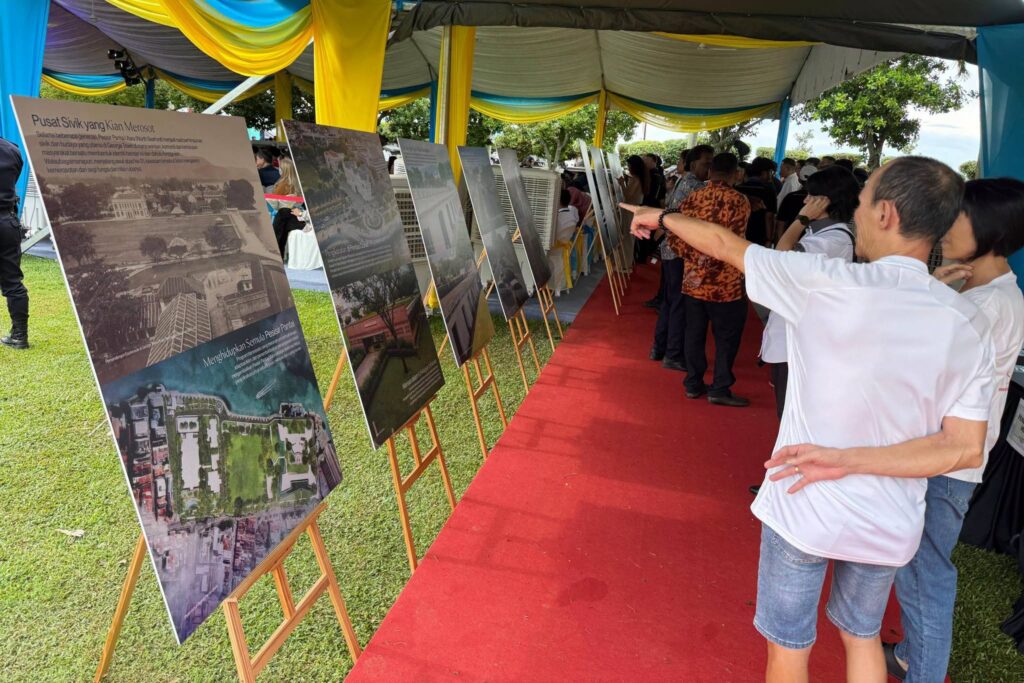
reconnects Fort Cornwallis, Padang Kota Lama and the surrounding waterfront into a vibrant
civic landscape that strengthens George Town as a heritage city, supports local businesses
and enhances public life. Most importantly, this renewed civic heart belongs to the people of
Penang,” said YAB Chow Kon Yeow, Chief Minister of Penang.
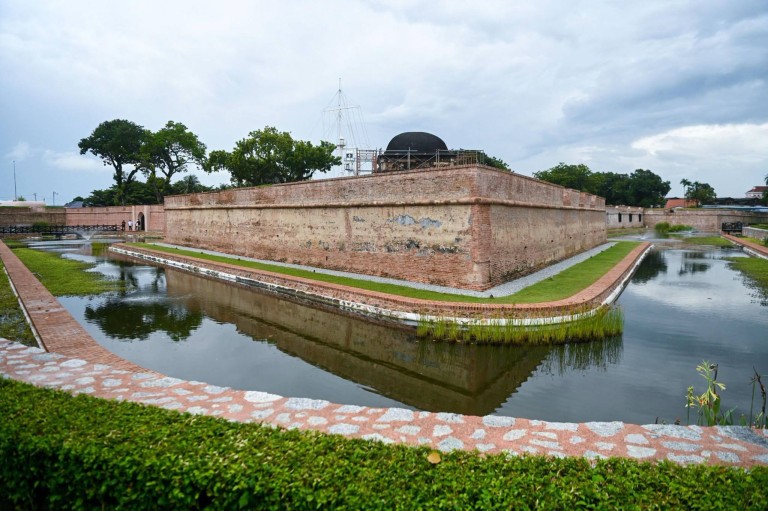
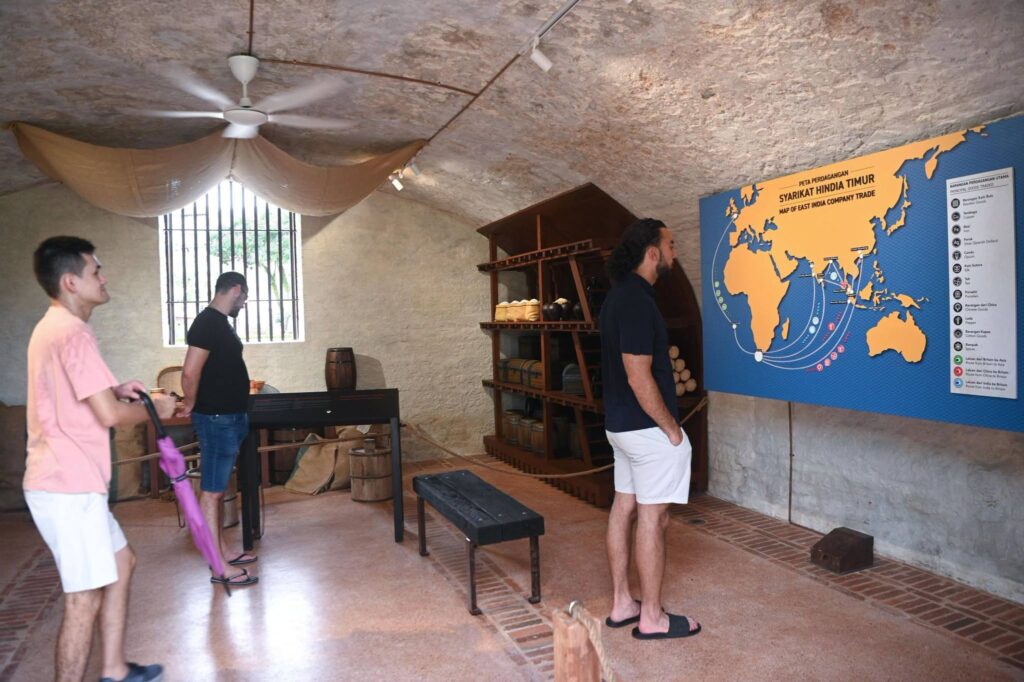
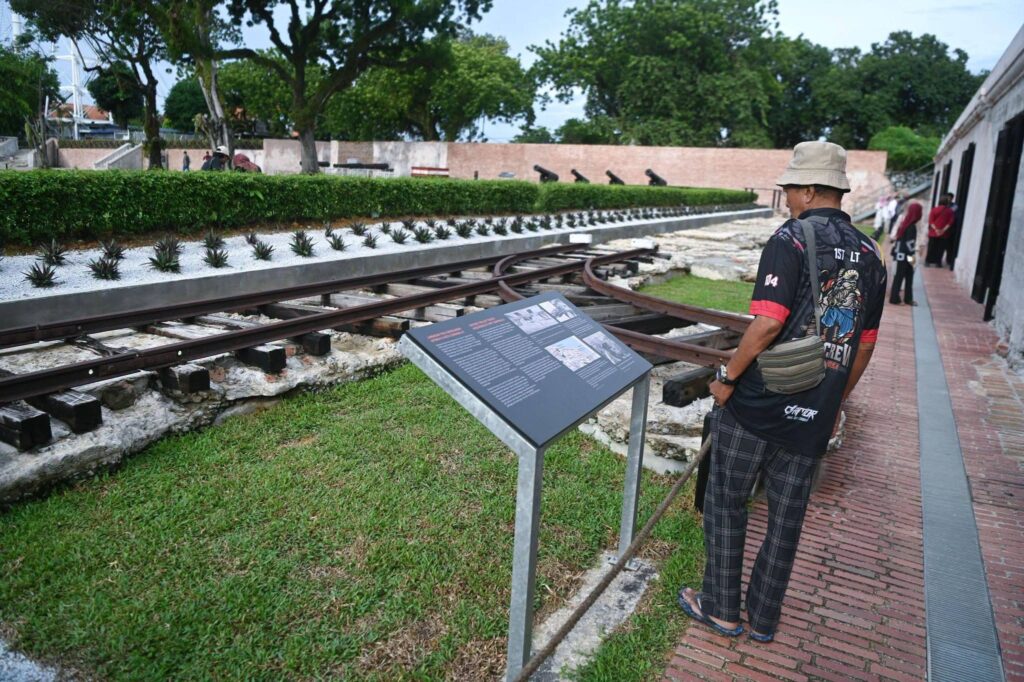
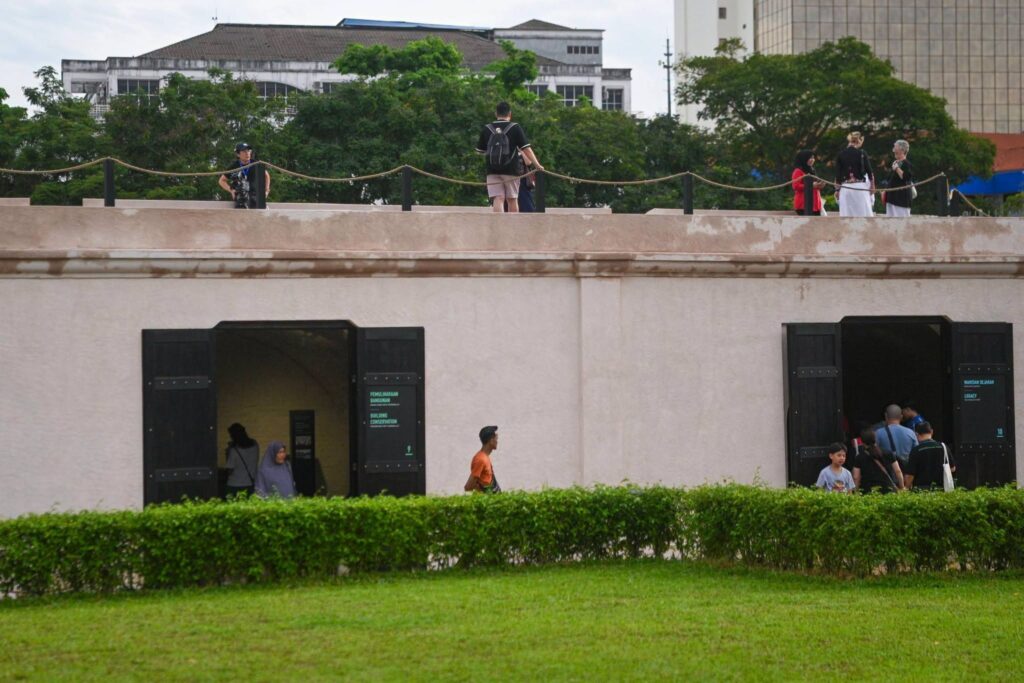
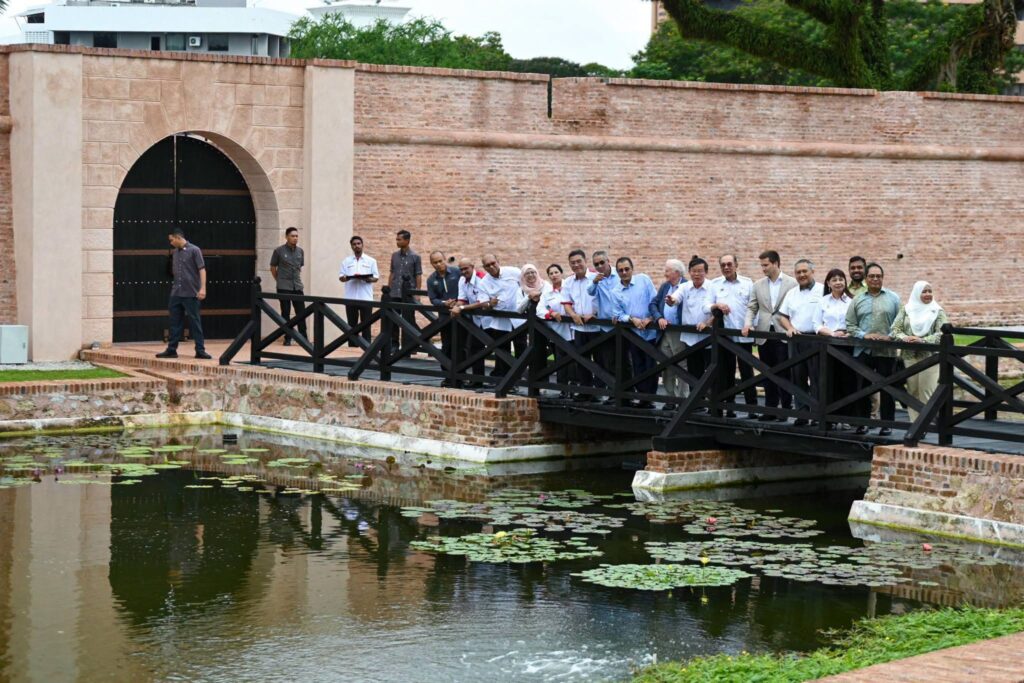
Visitors can now experience the fort’s southern and western moats holding water for the first
time in more than a century, alongside 10 new interpretation galleries, restored vaulted
storerooms, reinstated courtyards and improved public spaces that reconnect the fort with
Padang Kota Lama and the seafront.
Filled in during a malaria outbreak in the early 1920s, the moat had disappeared from the
landscape for over a century. It has now been reinstated using traditional stone, brick and
hydraulic lime mortar, creating more than 4,000 square metres of waterbody and green edge
where a surface car park once stood. Beyond restoring a defining historic feature, the moat
contributes to stormwater management, urban cooling and biodiversity.
The work was guided by the Fort Cornwallis Conservation Management Plan, archaeological
investigations, archival research and traditional craftsmanship, ensuring that the fort’s
historic significance was respected while adapting it for contemporary public use.
Fort Cornwallis is the latest milestone in the North Seafront Programme. Since the
establishment of the GTCDC in 2015, the programme has progressively renewed the
Esplanade Seawall and Promenade, Koh Seang Tat Fountain Garden, Lebuh Light
Promenade, Linear Garden and Astaka Kota Selera, reconnecting Fort Cornwallis, Padang
Kota Lama, Town Hall, City Hall, Dewan Sri Pinang and the waterfront into George Town’s
historic civic centre, where governance, culture, trade and everyday life have converged for
more than two centuries.
The transformation has also protected the living heritage around the fort. Astaka Kota Selera
was rebuilt while retaining all 26 hawker businesses, ensuring that Penang’s food culture
remains part of the Padang Kota Lama experience. Across George Town’s historic city centre,
arts, culture and craft establishments have nearly doubled since 2013, tourism-related
establishments have increased by almost three-quarters, and more than 1,300 jobs have
been added, demonstrating that heritage conservation can generate tangible economic
opportunity.
The programme has earned national and international recognition, including honours from
the UNESCO Asia-Pacific Awards for Cultural Heritage Conservation, the Malaysian Institute
of Architects, the Malaysia Landscape Architecture Awards and the Malaysian Construction
Industry Excellence Awards.
“One of the most important achievements of our collaboration has been the partnership
itself. Over the past thirteen years, the Penang State Government, Think City and the Aga
Khan Trust for Culture have developed an innovative approach to managing a historic city,
one that brings together conservation, public space, urban development and community
stewardship rather than treating projects in isolation. The North Seafront Programme is a
powerful example of what this shared vision can achieve,” said Dr. Luis Monreal, General
Manager of Aga Khan Trust for Culture.
“Fort Cornwallis demonstrates that heritage is an investment in stronger communities, more
resilient cities and lasting economic, social and cultural value. Through evidence-led
conservation, long-term partnerships and stewardship, the North Seafront Programme
demonstrates how culture-led regeneration can deliver meaningful outcomes for people and
place. More importantly, this experience shows that this approach is not unique to one city.
It provides a practical model that can be adapted to historic towns and cities across
Malaysia,” said Dato’ Hamdan Abdul Majeed, Managing Director of Think City.
More than the reopening of a fort, the North Seafront Programme demonstrates how heritage
can shape the future of cities. George Town stands as a compelling example of how culture-
led urban regeneration can strengthen national identity while shaping lasting cultural, social,
environmental and economic value.