

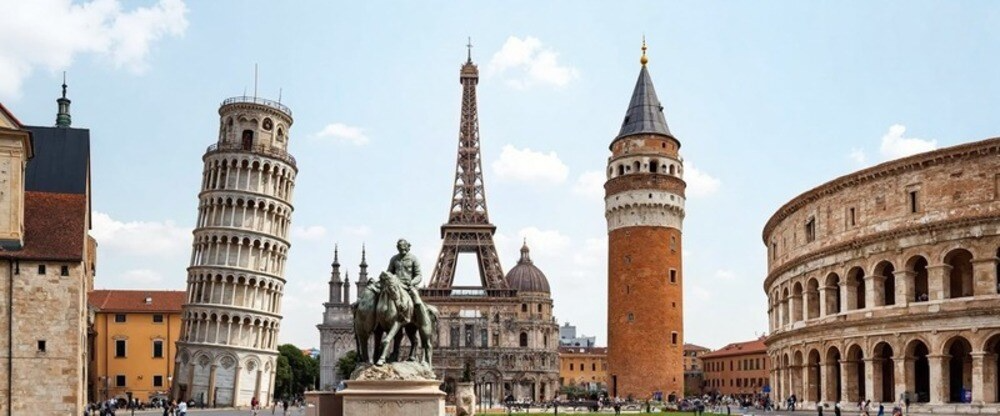
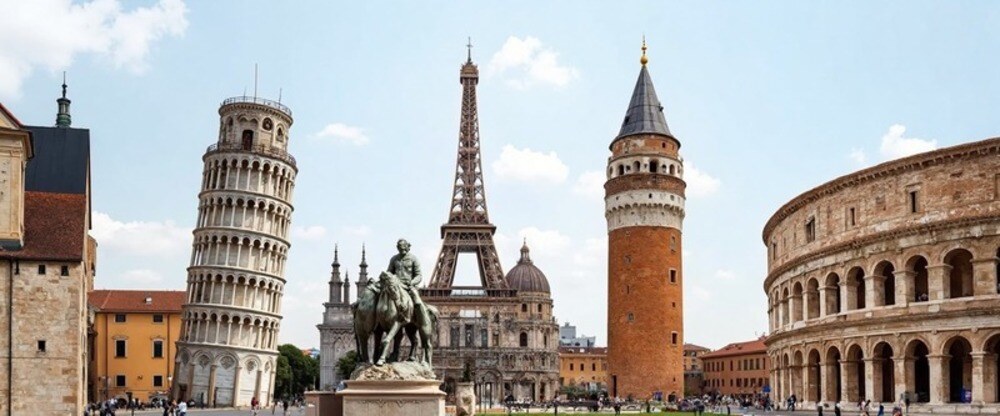
In 2024, France, Germany, Italy, Spain, the UK, Switzerland, and Iceland have emerged as top European travel destinations, setting new records in hotel occupancy and revenue growth. The influx of international visitors has driven remarkable tourism success, fueling strong hotel performance and boosting local economies. These countries continue to captivate travelers with their iconic attractions and diverse offerings, ensuring sustained growth for the tourism sector.
France’s Tourism Boom in 2024: A Record-Breaking Year for Hotel Occupancy and Revenues

France has officially seen a record-breaking year in 2024, and it’s no surprise. With inbound international tourist arrivals reaching 102 million (an increase of 2 million from the previous year), the French tourism sector is celebrating an extraordinary resurgence.
Advertisement

https://googleads.g.doubleclick.net/pagead/ads?client=ca-pub-6960118924450199&output=html&h=280&slotname=9196383062&adk=2461685116&adf=667648791&pi=t.ma~as.9196383062&w=794&abgtt=6&fwrn=4&fwrnh=0&lmt=1746384884&rafmt=1&armr=3&format=794×280&url=https%3A%2F%2Fwww.travelandtourworld.com%2Fnews%2Farticle%2Ffrance-germany-italy-spain-uk-switzerland-and-iceland-thrive-as-top-european-travel-destinations-breaking-records-in-hotel-occupancy-and-revenue-growth-with-unstoppable-visitor-influx%2F&host=ca-host-pub-2644536267352236&fwr=0&rpe=1&resp_fmts=3&wgl=1&uach=WyJXaW5kb3dzIiwiMTUuMC4wIiwieDg2IiwiIiwiMTM1LjAuNzA0OS4xMTUiLG51bGwsMCxudWxsLCI2NCIsW1siR29vZ2xlIENocm9tZSIsIjEzNS4wLjcwNDkuMTE1Il0sWyJOb3QtQS5CcmFuZCIsIjguMC4wLjAiXSxbIkNocm9taXVtIiwiMTM1LjAuNzA0OS4xMTUiXV0sMF0.&dt=1746408814500&bpp=1&bdt=1900&idt=-M&shv=r20250430&mjsv=m202504290101&ptt=9&saldr=aa&abxe=1&cookie_enabled=1&eoidce=1&prev_fmts=0x0%2C900x280&nras=1&correlator=3064692120011&frm=20&pv=1&rplot=4&u_tz=480&u_his=1&u_h=864&u_w=1536&u_ah=816&u_aw=1536&u_cd=24&u_sd=1.25&dmc=8&adx=186&ady=1769&biw=1521&bih=730&scr_x=0&scr_y=0&eid=95358862%2C95358864%2C95332585%2C95353387%2C95354565%2C95358975%2C95359090%2C95359239%2C31092146%2C95359120%2C31092108&oid=2&pvsid=5449949322628002&tmod=746284248&uas=0&nvt=1&fc=1920&brdim=0%2C0%2C0%2C0%2C1536%2C0%2C1536%2C816%2C1536%2C730&vis=1&rsz=%7C%7CoeEbr%7C&abl=CS&pfx=0&fu=128&bc=31&bz=1&td=1&tdf=2&psd=W251bGwsbnVsbCxudWxsLDNd&nt=1&pgls=CAEQAhoFNC43LjQ.~CAEaBTYuNy4x~CAEQBBoHMS4xNTEuMA..&ifi=3&uci=a!3&btvi=1&fsb=1&dtd=30
Tourism Revenue Hits an All-Time High
In terms of tourism revenue, France is on top of its game. The country has surpassed all expectations, generating a whopping €77.1 billion ($71 billion) in 2024, marking a 12% growth compared to the previous year. This surge is mainly driven by our friends from Belgium, the United Kingdom, Germany, Switzerland, and the United States, whose visits contributed significantly to the revenue boost.
What’s even more impressive? The positive travel balance of over €15 billion—which means the money spent by international travelers in France far outweighs what the French spend abroad. It’s not just a win for tourism; it’s an economic triumph. As the Ministry of Tourism celebrates these achievements, it’s clear that France’s charm is as magnetic as ever.
Hotel Occupancy: A Slight Yet Significant Increase
In the world of hospitality, hotel occupancy rates in France experienced a modest rise in December 2024, reaching 54.4%, compared to 53.4% in the same month of 2023. However, the real story here lies in the challenges faced by the sector in Q4 2024, as the tourism industry navigated the post-Olympics landscape and an uncertain economic environment. Despite these hurdles, hotels in France—especially in major cities like Paris—have adapted by offering attractive packages for domestic tourists. It’s a testament to the flexibility and resilience of the sector, adjusting strategies to keep the business flowing.
The Influence of the Paris Olympics on France’s Tourism
The Paris Olympics in Q3 2024 had a huge impact, not just in terms of the sporting events themselves but also in boosting tourism. However, once the games concluded, there was a noticeable drop in hotel occupancy. In cities like Paris, the arrival of international tourists slowed, partially due to political instability and economic uncertainties. Nevertheless, France is staying strong, and as the 2025 calendar approaches, hotels are bracing for a more stable and positive year, especially with the reopening of iconic sites like Notre-Dame.
International Tourist Arrivals by Country: Who’s Visiting France?
One of the most exciting developments in French tourism in 2024 is the increased influx of visitors from Northern Europe and the United States. China, too, has been a major contributor with a 40% surge in arrivals, along with Japan showing a 20% increase. Not only that, but markets like India, Mexico, Canada, and South Korea are growing rapidly, proving that France’s appeal reaches far and wide across the globe.
The country’s global tourism strategy is working wonders, with Paris still holding strong as the most popular European city. Whether it’s the elegant boutiques, historic landmarks, or the delicious French cuisine, travelers can’t seem to get enough of this enchanting destination.
Eiffel Tower – Paris, France, Europe
Top Choice in Paris
Explore insider tips, fascinating history, and surprising secrets to make the most of your Eiffel Tower experience.
The Eiffel Tower, known as the Tour Eiffel in French, offers a myriad of experiences that can be tailored to your preferences. Whether you visit during the day to marvel at the stunning views of Paris or ascend in the evening as the tower sparkles against the night sky, every visit is a chance to create unforgettable memories. For an elevated experience, dine in one of the tower’s restaurants while enjoying breathtaking panoramic views of the French capital. Despite welcoming over seven million visitors annually, each visit remains unique and is often considered the pinnacle of any trip to Paris.
History of the Eiffel Tower
The Eiffel Tower is a triumph of modern engineering and an enduring symbol of Paris and France. Designed by Gustave Eiffel, the tower was originally constructed for the 1889 Exposition Universelle (World’s Fair) to celebrate the 100th anniversary of the French Revolution. Eiffel’s daring vision came to life through the effort of 300 workers who put together 2.5 million rivets to build the structure in just over two years. Upon completion, the Eiffel Tower stood as the tallest human-made structure in the world at 324 meters (1,063 feet). It held this title for 41 years until the Chrysler Building in New York surpassed it in 1930.
When it was first unveiled, the Eiffel Tower faced heavy opposition from Paris’ artistic and literary elite. Critics derisively referred to it as the “metal asparagus”, with some even petitioning for its demolition. The initial plan was to dismantle the tower after just 20 years, but its fate changed when it proved to be the perfect platform for radiotelegraphy, the emerging science of wireless communication. This scientific use of the tower in the early 20th century helped it gain a reprieve and ultimately ensured its continued existence.
Iconic Features and Experiences
Today, the Eiffel Tower stands as one of the most iconic landmarks globally, attracting millions of visitors each year. The tower has three public levels, offering varying perspectives of the city and its surroundings. At the first floor, visitors can enjoy interactive exhibits and displays about the tower’s history, along with an observation deck offering spectacular views of the Champ de Mars, the Seine River, and the Parisian skyline. The second floor is where you’ll find a restaurant and one of the best panoramic views in the city. For those seeking the most breathtaking experience, the third floor is the summit of the Eiffel Tower, offering a bird’s eye view of Paris, including landmarks like Notre-Dame Cathedral, Sacré-Cœur, and the Louvre.
The Eiffel Tower also offers a unique dining experience. The Le 58 Tour Eiffel restaurant on the first floor is a casual dining spot, serving meals with a view of the Paris skyline. Meanwhile, the Le Jules Verne restaurant on the second floor is one of the finest dining establishments in the world, offering Michelin-star cuisine along with its unparalleled views.
The Eiffel Tower at Night
A visit to the Eiffel Tower at night is an experience unlike any other. After sunset, the tower becomes a glittering spectacle, with over 20,000 light bulbs illuminating its intricate iron lattice. Every evening, at the top of each hour, the Eiffel Tower sparkles for five minutes, creating a magical atmosphere in the heart of Paris. This evening transformation is one of the reasons why the Eiffel Tower is often seen as a symbol of the city’s romantic charm.
Visitor Tips
- Book Tickets in Advance: Given the tower’s popularity, long lines can be a common sight, especially during peak tourist season. To save time, it’s recommended to book skip-the-line tickets or even reservations for dining in advance.
- Best Time to Visit: Early mornings or late evenings tend to be the least crowded times. Visiting the Eiffel Tower at sunrise can also offer a stunning view of Paris as it wakes up.
- Combine with a Seine River Cruise: The Eiffel Tower’s location near the Seine River makes it an ideal spot to combine your visit with a boat cruise along the river for a different perspective of the landmark and surrounding city.
Germany’s 2024 Tourism Surge: Growth in Tourist Arrivals and Hotel Performance

Germany is seeing a significant boost in its tourism sector in 2024, with inbound international tourist arrivals reaching an impressive 37.5 million—a notable increase from 34.8 million in 2023. The country continues to be a magnet for travelers seeking culture, history, and vibrant cities.
Tourism Revenue Shows Solid Growth
Germany’s tourism revenue has experienced a steady rise, reaching $40.1 billion in 2024, up from $37.8 billion in 2023. This growth demonstrates the enduring appeal of the country’s diverse offerings. The increase in visitors has been particularly notable from neighboring countries, with the Netherlands, Switzerland, and Austria leading the charge. These countries continue to send large numbers of visitors, but travelers from across the globe are also flocking to Germany, driven by cultural events, festivals, and business tourism.
Hotel Occupancy: A Slight Dip, Yet Optimism Prevails
While Germany’s hotel occupancy has faced a slight dip in early 2025, with the net occupancy rate recorded at 44.87% in January (down from 54.16% in December 2024), the outlook remains positive. The decrease is partly due to seasonal trends and the aftermath of major events like the UEFA Euro 2024. Still, the country remains an essential hub for tourists. Hotel owners and operators are embracing new strategies, with budget hotels showing a more stable occupancy compared to the higher-end segments. Despite the dip, Germany is confident about its tourism trajectory, anticipating a rise in hotel revenues driven by growing international demand.
The Men’s UEFA Euro 2024 Effect: Boosting Visitor Numbers
The Euro 2024 tournament, held across several German cities from June to July, acted as a powerful catalyst for tourism. The event generated significant interest from fans around the world, resulting in a jump in hotel bookings and tourist arrivals. July 2024 saw an impressive 4.78 million tourists, as Germany’s cities hosted not only sports enthusiasts but also those keen to experience the cultural vibe of the host cities. These high-profile events give Germany the kind of tourism boost that leaves lasting impressions well beyond the event itself.
International Tourist Arrivals by Country: The Global Appeal of Germany
Germany continues to attract travelers from around the world, with the United States, Switzerland, and France being some of the largest sources of international visitors. A notable trend in 2024 is the rise in Asian visitors, especially from China and India, with Chinese visitors increasing by 16%. The appeal of Germany’s cultural heritage, modern cities, and culinary delights continues to drive inbound tourism from key regions, making it a top choice for global travelers.
As of July 2024, Germany’s international arrivals saw a significant boost, with major markets such as Italy and the UK contributing substantially to the tourism figures. The country’s excellent air connectivity, along with its rich history and welcoming atmosphere, ensure that visitors keep returning for more.
Germany’s tourism performance in 2024 is truly impressive, even with slight fluctuations in hotel occupancy rates. The year has seen growth in both arrivals and revenues, thanks to events like the UEFA Euro 2024 and the continued influx of visitors from Europe and beyond. Germany is confidently positioning itself for continued success in the tourism sector, maintaining its strong global presence.
Schloss Nymphenburg – Munich, Germany, Europe
Top Choice in Munich
City Guide: Schloss Nymphenburg
Explore the splendor of Schloss Nymphenburg, one of Munich’s most iconic landmarks, nestled just 5 km northwest of the Altstadt. This magnificent palace, set amidst sprawling gardens, offers visitors a glimpse into the opulence of Bavaria’s royal history.
History and Architecture
Begun in 1664 as a villa for Electress Adelaide of Savoy, Schloss Nymphenburg evolved over the next century into a grand royal residence. It became the summer retreat for the Wittelsbach family, Bavaria’s ruling dynasty. Today, Franz Duke of Bavaria, the current head of the Wittelsbach family, still occupies an apartment in this stately palace. The design of the palace consists of a central villa and two long wings, featuring creaking parquet floors and sumptuous period rooms that reflect the grandeur of the royal lifestyle.
The Beauty of Schloss Nymphenburg Gardens
The palace gardens are just as impressive as the building itself, stretching over vast grounds that are perfect for leisurely walks. The gardens, which are meticulously landscaped in a baroque style, offer a tranquil escape from the bustle of the city. The Man-made canals, ponds, and lush green lawns create a serene environment, while ornate fountains and statues add to the charm. Don’t miss the Bathing House, a quaint retreat at the far end of the garden that adds an extra layer of historical romance to your visit.
The Main Palace: A Tour Through Royal History
When you step into the Schloss Nymphenburg, you’ll find yourself walking through the corridors of history. The main palace building, including its two wings, showcases the royal family’s opulent lifestyle. Parquet floors creak underfoot as you explore sumptuous period rooms adorned with antique furniture, delicate chandeliers, and ornate tapestries.
At the beginning of your self-guided tour, you’ll come to the Schönheitengalerie (Beauty Gallery), which is the high point of the entire Schloss. This room, once home to Queen Caroline’s apartments, is lined with 38 portraits of women admired by King Ludwig I. The gallery, with its romantic and fascinating stories, features portraits of some of the most famous women of the era, including Helene Sedlmayr, a shoemaker’s daughter who caught the king’s eye and became the subject of one of the most famous portraits in the collection. King Ludwig’s notorious lover, Lola Montez, is also represented, along with Lady Jane Ellenborough and Lady Jane Erskine, both famous for their beauty and gossip-column fame during the 19th century.
Things to Do and See at Schloss Nymphenburg
- Schönheitengalerie (Beauty Gallery): This iconic collection of portraits from King Ludwig I’s private gallery is the star attraction at Schloss Nymphenburg, providing insight into royal life and 19th-century ideals of beauty.
- Palace Gardens: Stroll through the exquisite Baroque gardens, with manicured lawns, sparkling fountains, and peaceful ponds, perfect for photography and reflection.
- The Marstallmuseum: Located within the palace, this museum showcases royal carriages and sleighs from the 18th and 19th centuries, allowing a deeper look at Bavarian royal history.
- The Amalienburg Hunting Lodge: A short distance from the main palace, this rococo-style hunting lodge offers an additional layer of beauty and elegance, with its delicate, pastel-colored interiors and exquisite mirrored rooms.
Visitor Tips
- Best Time to Visit: To avoid crowds, plan your visit during the early morning or later in the afternoon, especially in the warmer months when the gardens are at their most beautiful.
- Combine with Other Attractions: Schloss Nymphenburg is close to other important Munich attractions, including the BMW Museum and Olympic Park, making it easy to visit several spots in one day.
- Guided Tours: While the self-guided tour offers flexibility, consider taking a guided tour for in-depth knowledge of the palace’s history and the fascinating stories behind the royal family and their remarkable lives.
Italy’s Tourism Surge in 2024: A Year of Growth in Arrivals, Revenues, and Hotel Performance

Italy continues to shine as one of Europe’s premier travel destinations in 2024, with inbound international tourist arrivals reaching a solid 57.84 million, a slight yet promising increase from 57.39 million in 2023. The country’s rich history, art, and food culture continue to attract visitors from every corner of the globe.
Tourism Revenue Reaches New Heights
Italy’s tourism sector isn’t just about numbers; it’s about quality experiences that attract tourists willing to spend. The country’s tourism revenue reached $58.7 billion in 2024, a significant boost from the $55.9 billion seen in 2023. This 5% increase shows that tourists are not only flocking to Italy, but they are also indulging in its luxury experiences, from fine dining in Florence to private gondola rides in Venice.
A large portion of this growth can be attributed to travelers from the United States, Germany, and the United Kingdom, with Italy remaining one of the most sought-after European destinations for international tourists.
Hotel Occupancy Soars in Italy’s Major Cities
Italy’s hotel occupancy rates have soared in 2024, particularly in cities like Rome, Florence, and Venice, which are seeing some of the highest occupancy rates. In August 2024, Italy’s hotels recorded a 78.10% occupancy rate, marking a strong recovery since the pandemic. This trend is especially noticeable in the luxury sector, where five-star hotels have witnessed higher-than-ever demand, reflecting Italy’s status as the ultimate luxury destination.
Cities like Florence are leading the charge, with four-star hotels showing an average occupancy rate of 77.5% in 2024. Even midscale hotels are seeing an uptick in demand, with occupancy rates climbing by 1.2 percentage points from the previous year. Whether it’s the art lovers in Florence or food enthusiasts in Milan, Italy has something to offer every type of traveler.
The Resilience of Italy’s Tourism Market
Despite minor fluctuations, Italy’s tourism market remains resilient. The fourth quarter of 2024 closed with an increase in nights spent in accommodations (up 11.1% from 2023). Rome, Bologna, Milan, and Florence are leading the way with over 75% occupancy in their luxury hotels, making these cities the top choices for international visitors seeking a taste of Italy’s elegance and charm.
For the industry, the increase in room rates by 5.3% in 2024 shows that demand is high and tourists are willing to invest in premium experiences. The trend isn’t just limited to the summer months—November and December also saw increases in overnight stays, a promising sign for the off-season.
International Tourist Arrivals by Country: Italy’s Global Appeal
Italy continues to be one of the most visited countries in Europe, with visitors from all over the world contributing to its tourism growth. The most significant increases have come from the United States, Germany, and the United Kingdom. Interestingly, Asian markets, particularly China and Japan, have also shown notable growth, with Chinese arrivals up by 40% and Japanese visitors increasing by 20%.
The allure of Italy’s historical sites, such as the Colosseum in Rome, the Leaning Tower of Pisa, and the Duomo in Florence, remains unmatched. But it’s not just about the landmarks—Italy’s culinary experiences are equally as compelling. From pasta-making classes to wine tours in Tuscany, Italy’s gastronomic offerings are drawing more visitors than ever before.
As we move into 2025, Italy’s tourism market looks set to continue its upward trajectory, with hotel bookings and tourist numbers on the rise. The country’s appeal, driven by its culture, food, art, and history, remains as strong as ever.
Italy’s tourism performance in 2024 has been robust, with steady growth in arrivals, revenues, and hotel occupancy rates. With a combination of strong cultural appeal and luxury experiences, the country remains a top destination for travelers worldwide.
Pantheon – Centro Storico, Rome, Lazio, Italy, Europe
Top Choice in Centro Storico
City Guide: Pantheon
A visit to the Pantheon is an absolute must when in Rome. As one of the city’s most significant and well-preserved ancient monuments, it provides a fascinating glimpse into the grandeur of Roman architecture and engineering. Lonely Planet’s Ultimate Guide invites you to explore this iconic landmark, delving into its rich history, remarkable design, and the secrets that have made it a timeless marvel. Whether you’re a history buff or simply seeking an awe-inspiring architectural experience, the Pantheon will undoubtedly leave you speechless.
History and Significance
The Pantheon was originally commissioned by the Roman Emperor Hadrian around 125 CE, though it stands on the site of an earlier temple built by Marcus Agrippa in 27 BCE. The name “Pantheon” translates to “all gods,” reflecting its initial purpose as a temple dedicated to the seven planetary deities of ancient Roman religion. Over the centuries, it was repurposed into a Christian church and is now known as the Basilica of St. Mary and the Martyrs.
Despite the passing of time, the Pantheon remains the best-preserved of Rome’s ancient structures and an unparalleled feat of engineering. Its importance extends far beyond Rome—its architectural innovations and aesthetic beauty have had a profound influence on the design of buildings across the Western world, inspiring generations of architects and engineers.
Architectural Marvel: The Dome and Oculus
One of the most impressive aspects of the Pantheon is its colossal dome, which was the largest of its kind in the world until the 15th century. The dome’s design is both practical and breathtaking, made possible by innovative Roman engineering techniques, including the use of progressively lighter materials as the dome ascends.
At the heart of the Pantheon is its 9-meter-wide (29.5 feet) oculus, a circular opening at the apex of the dome. The oculus serves as the only source of natural light in the building and creates a stunning effect as sunlight pours through, shifting with the time of day. For many visitors, the experience of looking up at the sky through the oculus is awe-inspiring, connecting the structure to the heavens above.
The oculus also has symbolic significance, representing the connection between the earth and the heavens—a powerful image for a temple dedicated to the gods.
Interior Design and Key Features
As you step inside, you are immediately struck by the vastness and symmetry of the space. The floor is laid out in a series of geometric shapes, with marble inlaid in patterns that evoke harmony and balance. The coffered ceiling of the dome creates a sense of openness, and as light streams through the oculus, it bathes the interior in a soft, almost ethereal glow.
Several niches around the perimeter of the Pantheon contain statues of gods, and at the far end, the altar reflects the building’s current Christian use. The building also serves as the burial place of several notable figures, including the famous artist Raphael and King Vittorio Emanuele II, the first king of unified Italy.
Visitor Experience and Tips
- Best Time to Visit: To avoid the crowds, it’s best to visit the Pantheon early in the morning or later in the afternoon. The off-season (autumn and winter) is also a great time to experience the Pantheon with fewer tourists.
- Tickets: While entry to the Pantheon used to be free, a small admission fee is now required. You can easily purchase tickets on-site or online in advance to skip the lines.
- Guided Tours: For a more in-depth experience, consider taking a guided tour. Guides offer fascinating insights into the building’s history, architecture, and the many secrets hidden in plain sight.
- Nearby Attractions: The Pantheon is centrally located in Centro Storico, so you can easily combine your visit with nearby attractions such as Piazza Navona, Trevi Fountain, and the Spanish Steps. A walk through the historic center of Rome will give you even more chances to admire the city’s beautiful architecture and vibrant atmosphere.
- Photography Tips: Be sure to bring your camera to capture the impressive dome and its unique light. The changing light through the oculus offers great photo opportunities, especially during sunrise or sunset.
Spain’s 2024 Tourism Growth: Record Arrivals, Soaring Revenues, and Strong Hotel Performance
Spain is continuing its impressive rise as one of the world’s leading travel destinations. With 93.76 million international tourist arrivals in 2024, up from 85.17 million in 2023, the country has surpassed previous records, marking a remarkable year for tourism.
Tourism Revenue Reaches New Heights
Spain’s tourism revenue has experienced a spectacular increase in 2024, reaching a record-breaking $106.5 billion, up from $92 billion in 2023. The country’s tourism economy is thriving, with international travelers spending generously across a variety of sectors. From beach vacations to cultural experiences and Spain’s increasingly popular culinary scene, visitors are not only flocking to Spain but also indulging in its rich offerings.
British, French, and German tourists continue to dominate, but tourists from the United States and Latin America are also significantly contributing to the growth. Spain’s broad appeal—from the sun-drenched beaches of Costa Brava to the historic wonders of Seville—is keeping the tourism wheel turning at full speed.
Hotel Occupancy Soars Across the Country
Spain’s hotel occupancy rates hit 74.6% in 2024, just shy of the pre-pandemic peak. The performance of the hotel sector continues to impress, with coastal regions like Malaga, Valencia, and the Canary Islands leading the charge with top occupancy rates. In fact, Malaga recorded a 83.9% occupancy rate, proving that tourists are flocking to both city breaks and beach destinations in equal measure.
While Alicante and Madrid saw some of the largest increases in occupancy, cities like Barcelona and Valencia are still seeing slight declines, possibly due to external factors such as weather-related disruptions or local events. But overall, the trend is overwhelmingly positive, with Spain’s hospitality industry poised for another strong year.
A Record Year for Spain’s International Arrivals and Spending
In 2024, Spain achieved a historic milestone with 138 million international visitors, up 10 million compared to the previous year. This growth represents a 10.1% increase from 2023, positioning Spain as the second most visited country in Europe. This influx of visitors also generated a staggering €126.3 billion in revenue, thanks to a mix of traditional beach vacations, cultural tourism, and a growing appetite for gastronomic experiences.
The United Kingdom led the charge, with over 18 million British travelers visiting Spain, followed by Germany and France. Spain’s tourism sector remains exceptionally diversified, appealing to both European and international travelers with varied interests, from history lovers exploring Madrid’s Royal Palace to foodies savoring tapas tours in Seville.
Hotel Industry Performance: Strong Revenue Growth and Record Hotel Openings
Spain’s hotel sector remains a bright spot, with revPAR (Revenue per Available Room) and ADR (Average Daily Rate) seeing significant gains. In fact, Spain’s hotel revenue in 2024 showed a 33.6% increase compared to pre-pandemic levels, with high-end properties leading the charge. The luxury hotel market in Malaga, Madrid, and Barcelona has been particularly strong, with tourists willing to spend on exclusive experiences.
Looking ahead, Spain is expected to see over 250 new hotel openings by 2026, with about 25% of these being 5-star hotels. This expansion is a clear indication of the ongoing confidence in Spain’s tourism industry, as both domestic and international investors look to capitalize on the thriving market.
International Tourist Arrivals by Country: Spain’s Global Appeal
Spain’s ability to attract visitors from around the globe is one of the key reasons for its tourism success. Visitors from the United Kingdom, Germany, and France have historically been the largest groups of international tourists, but in 2024, the United States and Latin America have seen significant growth, contributing to the overall rise in tourist arrivals.
The United Kingdom remains Spain’s top market, with 18.4 million visitors contributing to an increase in tourism spend. Meanwhile, travelers from the United States spent over €22.6 billion in Spain, while German and French tourists spent generously as well, contributing to an overall €106.5 billion tourism revenue.
Spain’s tourism performance in 2024 has been truly remarkable, with record-breaking arrivals, higher hotel occupancy rates, and increased revenues. Whether it’s the cultural allure of Barcelona, the beach resorts of Costa Brava, or the historic streets of Seville, Spain continues to dominate the global tourism stage, leaving a lasting impression on travelers and tourism professionals alike.
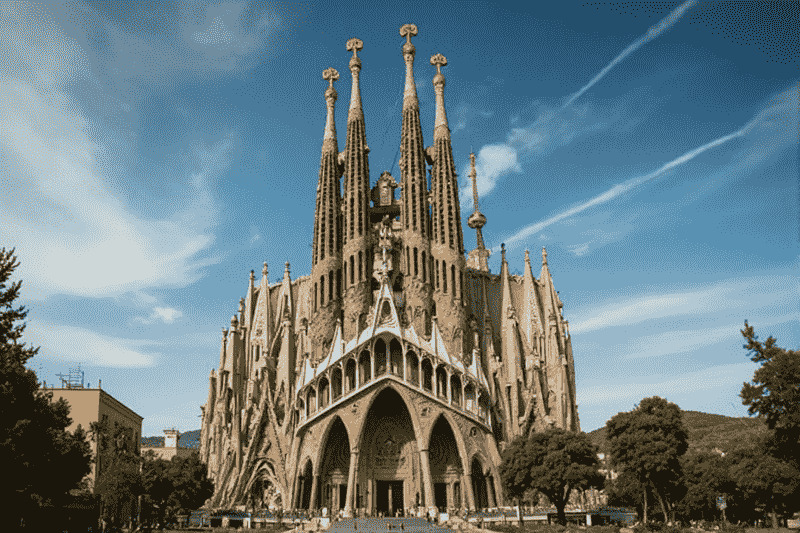
La Sagrada Família – L’Eixample, Barcelona, Spain, Europe
Top Choice in L’Eixample
City Guide: La Sagrada Família
No visit to Barcelona would be complete without marveling at the Temple Expiatori de la Sagrada Família (Expiatory Temple of the Holy Family), widely regarded as the symbol of the city. Located in the heart of L’Eixample, this awe-inspiring basilica, designed by Antoni Gaudí, is an architectural masterpiece that draws millions of visitors every year. With its unique design and deeply spiritual meaning, La Sagrada Família is not just a church, but an artistic journey through the fusion of nature, faith, and imagination.
History and Significance
The history of La Sagrada Família begins in 1882, when it was conceived as a simple Roman Catholic church dedicated to Jesus, Mary, and Joseph. However, the vision soon expanded, and under the genius of Antoni Gaudí, the church transformed into the most prominent example of Catalan Modernism. Gaudí believed that nature was the work of God, and this philosophy is reflected in every aspect of the basilica’s design. From the organic forms of its columns to the geometric shapes of its stained glass windows, every element of the structure conveys the complexity of both nature and Christianity.
In 2010, Pope Benedict XVI declared La Sagrada Família a basilica, recognizing its religious importance as well as its architectural significance. Despite being under construction for nearly 140 years, it has become one of the most visited monuments in Spain, receiving over 4.7 million visitors in 2019 alone. Gaudí’s work continues to inspire awe, with the basilica still under construction to this day, expected to be completed around 2026, the centenary of Gaudí’s death.
Gaudí’s Vision: A Blend of Faith and Nature
The design of La Sagrada Família is a unique fusion of Christian iconography, natural forms, and geometric precision. Gaudí combined biblical symbolism with references to the natural world, reflecting his belief that God’s creations were perfect and should be mirrored in human work. The basilica is divided into three facades, each representing a key element of Christ’s life:
- The Nativity Facade: Dedicated to the birth of Christ, this facade is filled with elaborate figures and intricate carvings of biblical scenes, featuring organic shapes that reflect Gaudí’s love for nature.
- The Passion Facade: This more somber facade depicts the suffering and death of Christ, with dramatic, angular forms that reflect the gravity of Christ’s final days.
- The Glory Facade: Still under construction, this will represent Christ’s glory and the ascent to heaven, completing the story told by the other facades.
The interior of La Sagrada Família is equally breathtaking, with columns that resemble tree trunks and arches that seem to flow like branches. The light filtering through the stained glass windows creates a kaleidoscope of colors, adding to the church’s ethereal atmosphere. Every space in the basilica evokes a sense of awe and reverence, with Gaudí’s belief that nature and religion are one in the same clearly reflected in the design.
Visitor Tips and Information
- Tickets and Reservations: To avoid long lines, it’s recommended to book your tickets online in advance. You can choose from a variety of options, including general admission, guided tours, and audio guides.
- Best Time to Visit: Early morning or later in the afternoon are the best times to visit to avoid the busiest hours. Visiting during the weekdays also tends to be less crowded than weekends.
- What to See Inside:
- The Beauty of the Interior: Explore the basilica’s remarkable interior, with its vaulted ceilings, intricate columns, and stained glass windows that change color throughout the day.
- The Towers: For panoramic views of the city, don’t miss a trip up one of the towers. While the ascent may require climbing a spiral staircase, the reward is a breathtaking view of Barcelona’s skyline and the surrounding landscape.
- Combine with Nearby Attractions: The Sagrada Família is located in L’Eixample, one of the most architecturally rich neighborhoods in Barcelona. You can easily combine your visit to the basilica with a stroll down Passeig de Gràcia, home to other Gaudí masterpieces like Casa Batlló and Casa Milà (La Pedrera).
UK’s 2024 Tourism Boom: Record-Breaking Arrivals, Soaring Revenues, and Strong Hotel Performance

The United Kingdom is continuing to shine as a top global destination in 2024, with 41.2 million inbound international tourist arrivals, a 9% increase from 2023. This marks the best year on record for the UK’s tourism industry, as visitors from all over the world flock to explore the country’s historic cities, world-class attractions, and diverse cultural offerings.
Tourism Revenue Reaches Historic Levels
In 2024, the UK’s tourism revenue reached a staggering $84.5 billion, up from $73.4 billion in 2023. This 15% growth showcases the strength of the tourism sector, with international visitors eager to experience the UK’s rich culture, iconic landmarks, and vibrant atmosphere. The country’s diverse offerings—from the historic charm of London and Edinburgh to the scenic beauty of the Lake District—continue to captivate tourists, driving spending across hotels, dining, shopping, and entertainment.
U.S. tourists, in particular, have been a major contributor to the revenue surge, spending generously during their visits. Additionally, Europeans and Asian visitors have increasingly shown interest in the UK, making it one of the most popular global destinations in 2024.
Hotel Occupancy: A Strong Year for the UK’s Hotel Industry
The UK’s hotel occupancy rate in 2024 was 80% in May and 75% in December, reflecting a strong performance despite economic challenges. London, in particular, continues to be a tourist magnet, with an average occupancy rate of 82%—matching pre-pandemic levels. The city’s vibrant arts scene, theatre productions, and landmark attractions like Buckingham Palace, the British Museum, and the London Eye continue to attract millions of international visitors.
Even outside of London, other regions of the UK have shown impressive performance. Areas like Yorkshire and the East of England experienced 3% to 4% year-on-year increases in hotel occupancy, while the Northwest and Southwest regions saw slight declines. However, the overall national hotel performance remains solid, with higher demand for midscale and upscale properties in major tourist cities.
A Record Year for International Tourist Arrivals
2024 has been a standout year for international arrivals, with the UK seeing a total of 128.4 million visits, marking a 9% increase from 2023. The growth has been driven by tourists from the United States, who made up a significant portion of the visitors, as well as from France, Germany, and India.
Notably, China and Turkey also saw significant increases in visits, helping to further diversify the UK’s tourist markets. While air passenger arrivals continue to dominate, rail and sea arrivals also contributed to the overall growth, with tourists opting for the scenic beauty of traveling by train or ferry as an added experience to their stay.
Hotel Industry Performance: A Positive Outlook for 2025
Looking ahead, the UK hotel industry is forecasting a positive 2025, with expected growth in both occupancy rates and revenue per available room (revPAR). Major cities like London, Manchester, and Edinburgh are expected to continue seeing high demand for luxury and midscale accommodations, driven by both leisure tourists and business travelers.
However, it’s not all smooth sailing. There are concerns over increased costs and economic instability, which could affect traveler spending. Nevertheless, the UK’s ongoing appeal as a global tourism hub—combined with the strength of its hospitality offerings—suggests that the tourism sector will continue to thrive in 2025.
International Tourist Arrivals by Country: The UK’s Global Appeal
In 2024, the top source markets for the UK included the United States, France, Germany, and India, with American tourists leading the charge. The UK’s diverse range of experiences, from exploring the British countryside to attending events like Wimbledon, the Proms, and football matches in Manchester, continues to attract a wide range of visitors.
Additionally, the UK has seen a 25% increase in visitor visas granted to Indian nationals, showcasing the growing demand from India, one of the UK’s most promising markets for the future.
The UK’s tourism sector in 2024 has been a major success story, with record-breaking arrivals, soaring revenues, and strong hotel performance. From London’s iconic landmarks to the hidden gems of the countryside, the UK remains a top choice for international tourists, and its tourism industry is poised for continued success into 2025.
Glasgow Cathedral – Glasgow, Scotland, Europe
Top Choice in Glasgow
City Guide: Glasgow Cathedral
Glasgow Cathedral, known for its rare and timeless beauty, stands as one of Scotland’s finest examples of Gothic architecture. The cathedral’s dark, imposing interior evokes a sense of medieval power, and its awe-inspiring structure often sends a shiver down visitors’ spines. Unlike most Scottish cathedrals, Glasgow Cathedral survived the devastation of the Reformation mobs in the 16th century, largely due to its conversion into a Protestant place of worship, preserving much of its original grandeur.
History and Significance
Glasgow Cathedral was constructed on the supposed tomb of St Kentigern (St Mungo), the patron saint of Glasgow. The cathedral’s connection to the city’s early history is deep-rooted, with the church becoming an integral part of Glasgow’s growth and identity over the centuries. The current structure dates back to the 15th century, with the chancel and crypt being the only parts to survive from earlier church buildings. Notably, it is one of the few buildings in Scotland that escaped the ravages of the Reformation, largely because the Protestant reformers saw its value and repurposed it for their own use.
The cathedral’s medieval design, marked by its soaring arches, intricate stone carvings, and towering spire, is a testament to the craftsmanship of the time. It is a shining example of Gothic architecture, blending spirituality, artistry, and engineering. The structure has been central to the city’s religious and cultural history, acting as a place of worship, pilgrimage, and ceremony.
Notable Features
- The Interior: Upon entering the cathedral, you’re greeted with a dark, atmospheric interior. The stained glass windows are especially striking, casting beautiful light across the stone floor. The mighty columns and the high vaulted ceilings are classic Gothic elements that inspire awe in visitors. The choir stalls and the altar are particularly remarkable, showcasing the skill of the craftsmen who built them.
- The Crypt: The cathedral’s crypt is one of its most notable features. Beneath the main altar lies the tomb of St Mungo, where many pilgrims have come to pay their respects. It is a peaceful, sacred space that offers a stark contrast to the grandeur of the upper levels. The crypt is also home to fascinating medieval stonework, including carvings and reliefs that depict religious themes.
- The High Altar and Chancel: The chancel and high altar are beautifully adorned, and they remain central to the cathedral’s purpose as a place of worship. The altar is intricately carved with scenes from the life of Christ, adding to the spiritual ambiance of the space. The cathedral also houses memorials to various important figures in the history of Glasgow, such as former bishops and patrons.
The Necropolis: A Historic Cemetery
Behind Glasgow Cathedral, you’ll find one of the city’s most fascinating and eerie landmarks: the Necropolis. This Victorian cemetery is built on a hill overlooking the cathedral and offers breathtaking views of the surrounding area. Walking through the necropolis, you’ll encounter over 3,000 tombs, ranging from simple gravestones to ornate monuments dedicated to Glasgow’s most influential citizens from the 19th century. It’s a wonderful, haunting place to explore, with beautiful stone sculptures and serene green spaces, perfect for an afternoon ramble.
The Necropolis is a key historical and cultural site, reflecting the changing attitudes toward death, memorials, and the afterlife throughout Glasgow’s history. It’s one of the city’s most charming hidden gems, combining peace and history while offering a dramatic view of the cathedral from above.
Visitor Tips and Information
- Best Time to Visit: Early mornings or late afternoons are ideal to avoid crowds. The cathedral can get busy during Sunday services, so if you’re looking for a quieter experience, plan your visit around this time.
- Guided Tours: While the cathedral can be explored on your own, consider joining a guided tour to learn more about its history and hidden secrets. The tour will take you through the main areas of the cathedral and into the crypt, explaining the significance of each section.
- Accessibility: Glasgow Cathedral is centrally located in the city and is easily accessible by public transport. It is also free to enter, making it a great stop for anyone exploring Glasgow’s rich history and architecture. However, the Necropolis has some steep pathways, so be prepared for a bit of a walk if you plan to explore it in depth.
- Combine with Other Attractions: The Glasgow Cathedral is in close proximity to other major attractions, including George Square, the Glasgow Museum, and St. Mungo’s Museum of Religious Life and Art, which all offer a deeper dive into the city’s cultural and religious heritage.
Switzerland’s 2024 Tourism Surge: Record-Breaking Visitors, Strong Revenues, and Consistent Hotel Occupancy

Switzerland is on a steady upward trajectory in 2024, with international tourist arrivals reaching an impressive 13.15 million, marking a 5% increase from the previous year. The Alpine nation continues to draw visitors from across the globe with its stunning landscapes, luxurious offerings, and rich cultural experiences.
Tourism Revenue Hits New Heights
Switzerland’s tourism revenue saw a strong increase in 2024, reaching $22 billion, up from $20.5 billion in 2023. This growth is a direct reflection of the country’s ever-expanding tourism offerings. Whether it’s the ski resorts in the Swiss Alps, the luxurious spa hotels in Zurich, or the cultural richness of cities like Geneva and Bern, tourists are spending more than ever before. Notably, American and Asian tourists have been major contributors, with U.S. travelers leading the charge, recording a 13.5% increase in overnight stays.
Switzerland’s focus on high-end experiences, like private chalets and exclusive wine tastings, ensures that visitors are not just arriving in record numbers, but they are also spending significantly on these premium experiences.
Hotel Occupancy Remains Steady with Positive Growth
The country’s hotel occupancy rate stood at a solid 55.1% in 2024, a slight but significant increase from 2023. The Basel Region saw the largest boost in occupancy, up 3.9 percentage points from the previous year. Geneva, Zurich, and Lucerne have also experienced consistent growth in hotel bookings, with these cities welcoming high-end guests drawn to their unique blend of culture, nature, and luxury.
Switzerland’s hotel market has done an excellent job of balancing luxury offerings with affordable options for a diverse range of travelers. The trend towards sustainable tourism and eco-friendly accommodations is growing, with travelers keen to experience the Swiss beauty without leaving a heavy environmental footprint.
Switzerland’s Tourist Hotspots: From the Alps to the Cities
Switzerland’s tourist hotspots continue to thrive in 2024. The Swiss Alps are as popular as ever, drawing skiers, mountaineers, and outdoor enthusiasts from all over the world. Meanwhile, Swiss cities like Zurich and Geneva are seeing an influx of visitors seeking a combination of culture, luxury, and nature.
In fact, the Swiss Alps alone account for a large chunk of the country’s tourist spending, particularly during the winter season. But it’s not just winter sports that are driving traffic—Swiss culinary tourism and the country’s wine regions are also making waves. Cities like Zurich and Geneva are seeing a growing number of food lovers indulging in gourmet dining and locally produced wines.
International Tourist Arrivals by Country: Switzerland’s Global Appeal
Switzerland’s strong showing in 2024 is due in large part to the continued appeal of the country’s natural beauty and rich culture. The largest number of visitors come from Germany, followed by the United States, France, and the United Kingdom. Chinese visitors are also increasing, with a 5.9% rise in overnight stays from Asia, particularly Hong Kong and China.
The country’s strong relationship with its neighbors, especially Germany and France, continues to drive a steady flow of visitors. American tourists, with their desire for both nature and luxury, are flocking to Switzerland in larger numbers each year. As global travel continues to recover, Switzerland remains a top destination for travelers seeking both adventure and relaxation.
Switzerland’s tourism performance in 2024 is another success story in Europe, with record-breaking arrivals, strong revenue growth, and steady hotel performance. Whether it’s skiing in the Alps or indulging in the country’s cultural gems, Switzerland is drawing a diverse range of tourists, ensuring that it remains one of Europe’s top destinations.
Stiftsbibliothek – St. Gallen, Switzerland, Europe
Top Choice in Northeastern Switzerland
City Guide: Stiftsbibliothek
In the heart of Northeastern Switzerland, the Stiftsbibliothek (Abbey Library) in St. Gallen stands as a monument to centuries of religious devotion, scholarship, and architectural brilliance. Whether you are a history enthusiast, an art lover, or simply seeking a serene and awe-inspiring experience, this remarkable library offers something that captivates every visitor. Known for its extraordinary beauty and historical significance, the St. Gallen Abbey Library is a place where the past and present meet, offering a deep connection to the spiritual and intellectual life of the Middle Ages.
History and Significance
The Stiftsbibliothek is more than just a library—it’s a living prayer, filled with a thousand years of parchment, ink, and devotion. Originally founded as part of the Benedictine monastery in the 8th century, it became the intellectual and spiritual hub of St. Gallen. During the Middle Ages, this abbey was one of the most important centers of learning in Europe, and the library held a vast collection of religious texts, scholarly works, and medieval manuscripts.
Today, St. Gallen’s Stiftsbibliothek is the centerpiece of the UNESCO World Heritage-listed Stiftsbezirk (Abbey District). Walking through its doors feels like stepping into a sacred sanctuary of knowledge. Its collection of 170,000 rare and beautiful leather-bound books includes some of the world’s most precious medieval manuscripts, many of which are on display during exhibitions. The library’s preservation of these texts reflects the deep commitment to both faith and learning that has sustained it for over a millennium.
The Magnificent Interior
As you enter the Stiftsbibliothek, you’re immediately struck by the awe-inspiring beauty of the room. The creaking wood floors echo as you walk beneath a stucco-encrusted ceiling, adorned with biblical frescoes that depict scenes from the Old and New Testament. The ceiling features images of angels, saints, and divine symbols that seem to call you to a higher realm. Playful putti (cherubic figures) adorn the space, adding a touch of joy to the otherwise sacred atmosphere.
At the center of this magnificent space is the globe, a stunning artifact that serves as both a physical and symbolic representation of the worldly knowledge that once flowed through these walls. Surrounding you are rows upon rows of bookshelves, each one lined with priceless volumes that have stood the test of time. The atmosphere is imbued with the scent of parchment and ink, offering a tangible connection to the scholars who spent countless hours here.
A World-Class Collection
The library’s collection of medieval manuscripts is perhaps its most treasured asset. These elaborately decorated books, some of which date back to the 8th century, are works of art in their own right, showcasing the meticulous craftsmanship of their creators. Among the most famous works housed here is the St. Gallen Monastery Plan, an early medieval blueprint for the layout of the abbey, considered one of the most important early medieval documents.
Over the years, the library has preserved countless manuscripts, covering subjects ranging from religion and philosophy to medicine, astronomy, and law. While many of these texts are delicate and not on permanent display, they are occasionally taken out for special exhibitions, offering a rare glimpse into the intellectual life of the medieval world.
Visitor Experience and Tips
- Best Time to Visit: To avoid crowds, it’s best to visit early in the morning or during the weekdays. The library is particularly quiet and peaceful, which enhances the reflective nature of the visit.
- Guided Tours: While the library is open to self-guided exploration, guided tours are highly recommended for those interested in learning more about the history and significance of the manuscripts and the abbey itself. The guides will offer insights into the medieval scholarly life and the importance of the St. Gallen library in the context of European history.
- Nearby Attractions: The Stiftsbezirk (Abbey District) offers more than just the library. Visitors can explore the Abbey Church, known for its baroque architecture, and the Abbey Museum, which houses artifacts related to the monastery’s history. The St. Gallen Necropolis is also located nearby, a serene final resting place that offers a glimpse into the area’s ancient past.
- Combine with a Walk: The city of St. Gallen is charming and compact, making it easy to explore after visiting the library. Consider taking a stroll through the Old Town or hiking up to the Säntis Mountain for panoramic views of the surrounding region.
Iceland’s 2024 Tourism Boom: Record-Breaking Visitor Numbers, Rising Revenues, and Strong Hotel Performance

Iceland is on track to surpass its pre-pandemic tourism records in 2024, with a remarkable 2.3 million international visitors, a slight dip from the 2023 figures but still a strong return to form after the pandemic. The country continues to captivate travelers with its stunning landscapes, geothermal wonders, and unique cultural experiences.
Tourism Revenue Shows Positive Growth
Iceland’s tourism revenue in 2024 reached $3.2 billion, up from $3.1 billion in 2023. This increase, though modest, reflects a steady recovery as international visitors continue to flock to the country, eager to experience its natural beauty and vibrant culture. The revenue boost is a direct result of higher spending per visitor, with many travelers indulging in luxurious tours, geothermal spa experiences, and adventure activities like glacier hiking and Northern Lights viewing.
Visitors from the United States, Germany, and the United Kingdom remain the largest groups of international tourists, but the rising number of travelers from China and India is also notable, signaling Iceland’s growing appeal in Asia.
Hotel Occupancy: Strong Performance Across the Country
In terms of hotel occupancy, Iceland has seen a significant increase in 2024, with the national occupancy rate rising by 6.1 percentage points compared to 2023. The Capital Region saw the greatest growth, with Reykjavik leading the charge, reflecting the city’s status as a hub for cultural tourism, dining, and entertainment. However, the South region, home to some of Iceland’s most popular tourist spots like the Blue Lagoon, also experienced impressive occupancy growth.
While overnight stays in hotels dropped slightly compared to 2023, the country continues to perform strong overall in terms of hotel demand, with many visitors opting for guesthouses and unique accommodations like geothermal cottages and Icelandic farm stays. The variety of accommodation types in Iceland ensures that tourists have plenty of options, whether they’re looking for luxury or more affordable stays.
The Appeal of Iceland: Nature, Adventure, and Wellness
Iceland remains an adventure tourism hotspot, with travelers flocking to the island for its stunning natural landscapes, including volcanic craters, waterfalls, and glaciers. But it’s not just about nature—wellness tourism has seen a sharp increase in popularity, with Icelandic spas and thermal pools becoming a key attraction. The Blue Lagoon, in particular, remains one of the most sought-after experiences for international visitors looking to relax and rejuvenate in the mineral-rich waters.
The country’s winter tourism is also thriving, with an increasing number of travelers coming for the Northern Lights and the unique Arctic experiences. Iceland’s ability to offer both summer adventures and winter wonders gives it a strong, year-round appeal for tourists from all over the world.
International Tourist Arrivals by Country: Iceland’s Expanding Global Appeal
Iceland’s visitor numbers have increased steadily across key international markets. U.S. visitors continue to lead the charge, with Americans making up a significant portion of the total arrivals in 2024. However, the increase in travelers from Germany and the United Kingdom is noteworthy, with British visitors particularly interested in Iceland’s unique blend of nature and culture.
In addition to the European markets, Asian visitors, particularly from China and India, are driving much of Iceland’s tourism growth. With China having a 5.9% increase in overnight stays in Iceland, the country is slowly but surely becoming a top destination for travelers from the East. As Iceland’s tourism continues to recover and grow, the appeal of its natural beauty, adventure tourism, and wellness experiences remains a winning combination for a diverse global audience.
Iceland’s tourism performance in 2024 continues to show resilience and growth. With record-breaking visitor numbers, an increase in tourism revenue, and strong hotel occupancy across key regions, Iceland is carving out its place as a must-visit destination for travelers seeking both adventure and relaxation.
Snæfellsjökull National Park – Iceland, Europe
Top Choice in Snæfellsnes Peninsula
City Guide: Snæfellsjökull National Park
Nestled at the western tip of the Snæfellsnes Peninsula, Snæfellsjökull National Park is one of Iceland’s most iconic natural wonders, encircling the towering Snæfellsjökull glacier—the icy crown of the peninsula. The park is a true paradise for nature lovers, with its dramatic landscapes, lava fields, coastal cliffs, and wildlife-rich coastline. Whether you’re into hiking, bird-watching, or simply taking in the vastness of Iceland’s rugged beauty, this park offers something for everyone.
History and Significance
The Snæfellsjökull glacier, which dominates the national park, is the centerpiece of this natural wonderland. The glacier is not only famous for its stunning beauty, but also for its mystical significance in Icelandic folklore and popular culture. Jules Verne’s novel, Journey to the Center of the Earth, famously used Snæfellsjökull as the starting point for the characters’ epic journey, adding an air of mystery to the already awe-inspiring landscape.
The national park itself is a protected area, established to preserve the region’s unique geology, wildlife, and cultural heritage. It is home to a variety of ecosystems, ranging from lava fields and volcanic craters to lush valleys and beaches. Its diverse landscapes make it a popular destination for anyone interested in ecology, geology, and the natural history of Iceland.
Key Features and Attractions
The Snæfellsjökull Glacier
The crown jewel of the park, Snæfellsjökull stands at 1,446 meters (4,744 feet) tall, with its ice-covered peak visible from miles around. The glacier is a dormant volcano that has been capped by ice for thousands of years, and it is a major draw for tourists looking to experience Iceland’s dramatic landscapes. During the summer months, guided tours can take you up to the glacier, offering an unforgettable experience with panoramic views of the surrounding peninsula and the Atlantic Ocean. For more adventurous travelers, it is possible to hike around the base of the glacier or explore the lava tubes nearby.
Lava Tubes and Lava Fields
The park is crisscrossed with lava tubes and protected lava fields, which make for fascinating exploration. These volcanic formations are remnants of the area’s fiery past, and many of the tubes are large enough to walk through. Vatnshellir Cave is one of the most popular lava tubes to explore, with guided tours taking visitors deep beneath the surface to discover the underground world. These lava tubes are also home to native Icelandic fauna, including puffins, seals, and foxes, making them a prime spot for wildlife enthusiasts.
Bird Watching and Coastal Life
Snæfellsjökull National Park is an excellent destination for bird watching, particularly along its coastal areas. The cliffs and shores are home to various species of seabirds, including puffins, guillemots, and kittiwakes. As one of the top spots for whale watching in Iceland, the coastline of the park also offers opportunities to spot humpback whales, orcas, and minke whales during the summer months. The park’s coastal ecosystems make it an ideal destination for anyone interested in the region’s rich marine life.
Outdoor Activities and Hiking Trails
Snæfellsjökull National Park is a hiker’s paradise, with a network of trails that traverse the park’s stunning landscapes. Whether you’re looking for an easy walk along the coast or a more challenging ascent up the glacier, the park has something to offer for every level of adventurer. Some popular hikes include:
- The Snæfellsjökull Glacier Trail: A challenging hike that leads to the base of the glacier, offering incredible views of the surrounding volcanic landscape.
- The Coastal Trail: A more moderate walk that hugs the shoreline, ideal for birdwatching and whale spotting.
- Lava Tube Hikes: Explore the Vatnshellir Cave and other lava tubes for a unique underground experience.
- During the right conditions, visitors can also ski on the glacier in the winter months, or take a snowmobile tour to reach the summit.
In 2024, France, Germany, Italy, Spain, the UK, Switzerland, and Iceland thrived as Europe’s top travel destinations due to a powerful combination of record-breaking international arrivals, rising hotel occupancy, and exceptional tourism revenue growth. Their diverse experiences, strong infrastructure, and global appeal fueled an unstoppable influx of visitors across all seasons.
Visitor Tips and Information
- Best Time to Visit: The summer months (June to August) offer the best weather for hiking and glacier tours, while winter is ideal for those looking to experience snowmobiles, northern lights, and ice cave exploration. However, be prepared for changing weather conditions, especially around the glacier, where temperatures can drop quickly.
- Guided Tours: For those wanting to experience the glacier up close, it’s recommended to take a guided tour. Local guides can provide insights into the geology, history, and ecology of the region, and ensure safety when hiking or exploring the glacier.
- What to Bring: Make sure to pack sturdy hiking boots, weather-appropriate clothing, and plenty of water and snacks, especially if you plan on hiking. A camera is essential, as the park offers some of the most photogenic landscapes in Iceland.
- Nearby Attractions: While in the area, make time to visit nearby attractions such as the picturesque Arnarstapi Village, Hellnar Beach, and the Saxhóll Crater. These sites offer even more natural beauty and opportunities to explore Iceland’s stunning landscape.
In conclusion, 2024 has proven to be a landmark year for France, Germany, Italy, Spain, the UK, Switzerland, and Iceland, as these top European destinations experience an unprecedented boom in tourism. With record-breaking numbers of international visitors, substantial revenue growth, and strong hotel occupancy rates, these countries have demonstrated their enduring appeal and resilience in the face of global challenges. Their diverse offerings, from cultural landmarks and rich histories to natural wonders and luxury experiences, continue to captivate travelers worldwide. As they continue to thrive, the tourism sector in these destinations is set for even greater success in the years to come, reinforcing their status as premier global travel hubs.